










Beginner, Miss Saigon is a powerful musical that intertwines love and tragedy against the fall of Saigon in 1975. You will encounter emotionally intense scenes and controversial portrayals that have sparked debate for decades. As you explore this landmark production, understand its enduring influence on modern theater and the strong reactions it continues to provoke worldwide.
Key Takeaways:
- Miss Saigon premiered in London in 1989 and quickly gained international attention for its sweeping score and emotionally charged narrative, drawing comparisons to Puccini’s Madame Butterfly while establishing its own identity through contemporary themes and staging.
- The musical centers on a tragic romance between a young Vietnamese woman named Kim and an American Marine named Chris, set against the backdrop of the Vietnam War and its aftermath, with pivotal scenes unfolding during the fall of Saigon in 1975 and later in Bangkok and the United States.
- Controversy has surrounded the production due to casting practices and cultural representation, particularly in early runs where non-Asian actors were considered for leading roles, prompting ongoing discussions about authenticity and equity in theater that continue to influence casting decisions today.
Examining the Various Types of Miss Saigon Productions
Productions of Miss Saigon vary widely in scale, interpretation, and cultural context. Some emphasize the original West End spectacle, while others reimagine the staging for intimate venues. Revivals often incorporate updated staging technology and more nuanced casting approaches. Recognizing the distinctions between these versions enhances your appreciation of the musical’s evolution.
Sending money abroad?
Wise makes international transfers cheaper than most banks — real exchange rates, low fees, and a free debit card option in many countries.
Need social posts without the grind?
Holo turns one idea into reels and photo posts with AI — useful if you promote shows, reviews, or fan content and want more output with less editing time.
| Production Type | Key Feature |
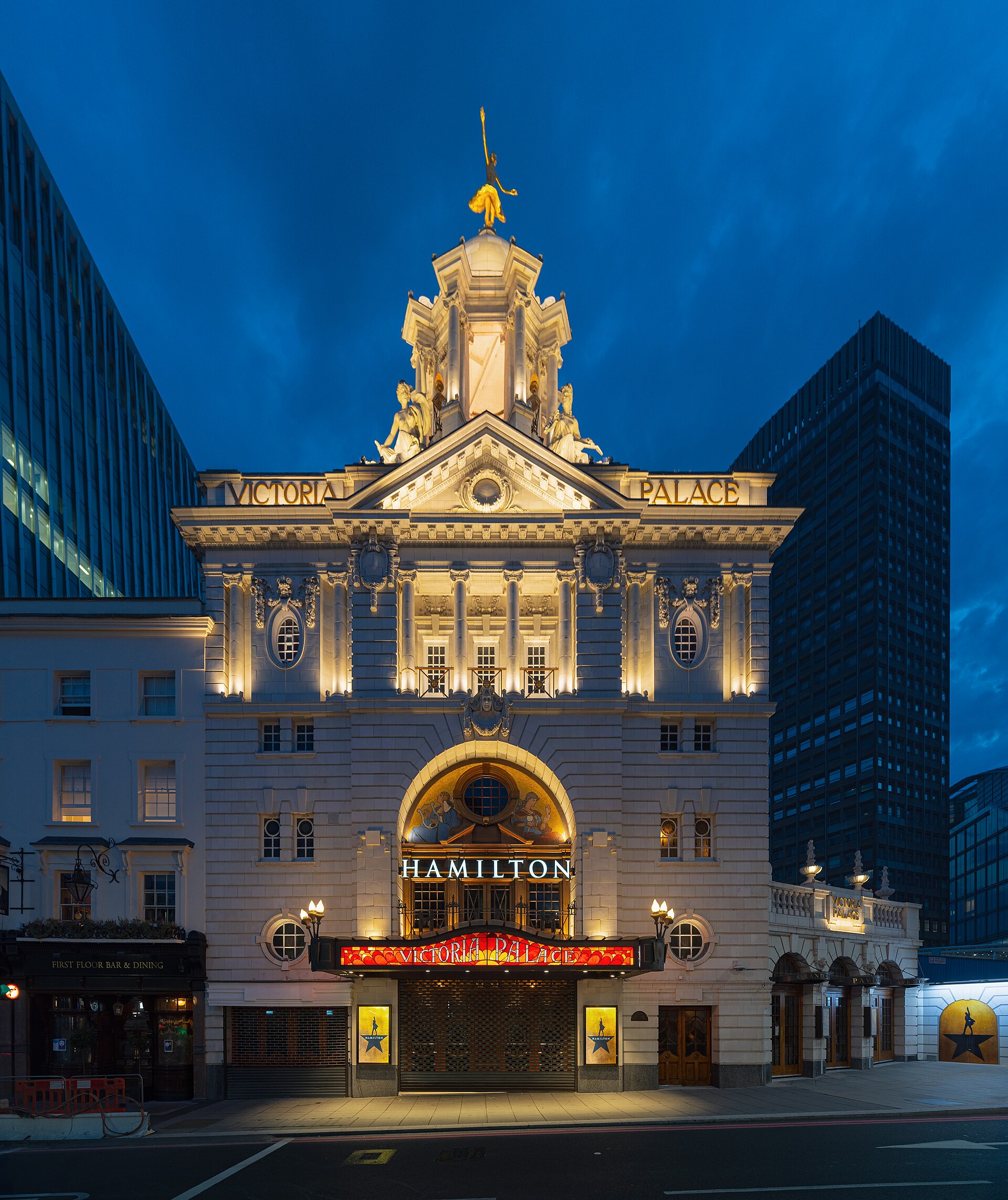
| Original West End | Elaborate set design with helicopter scene |
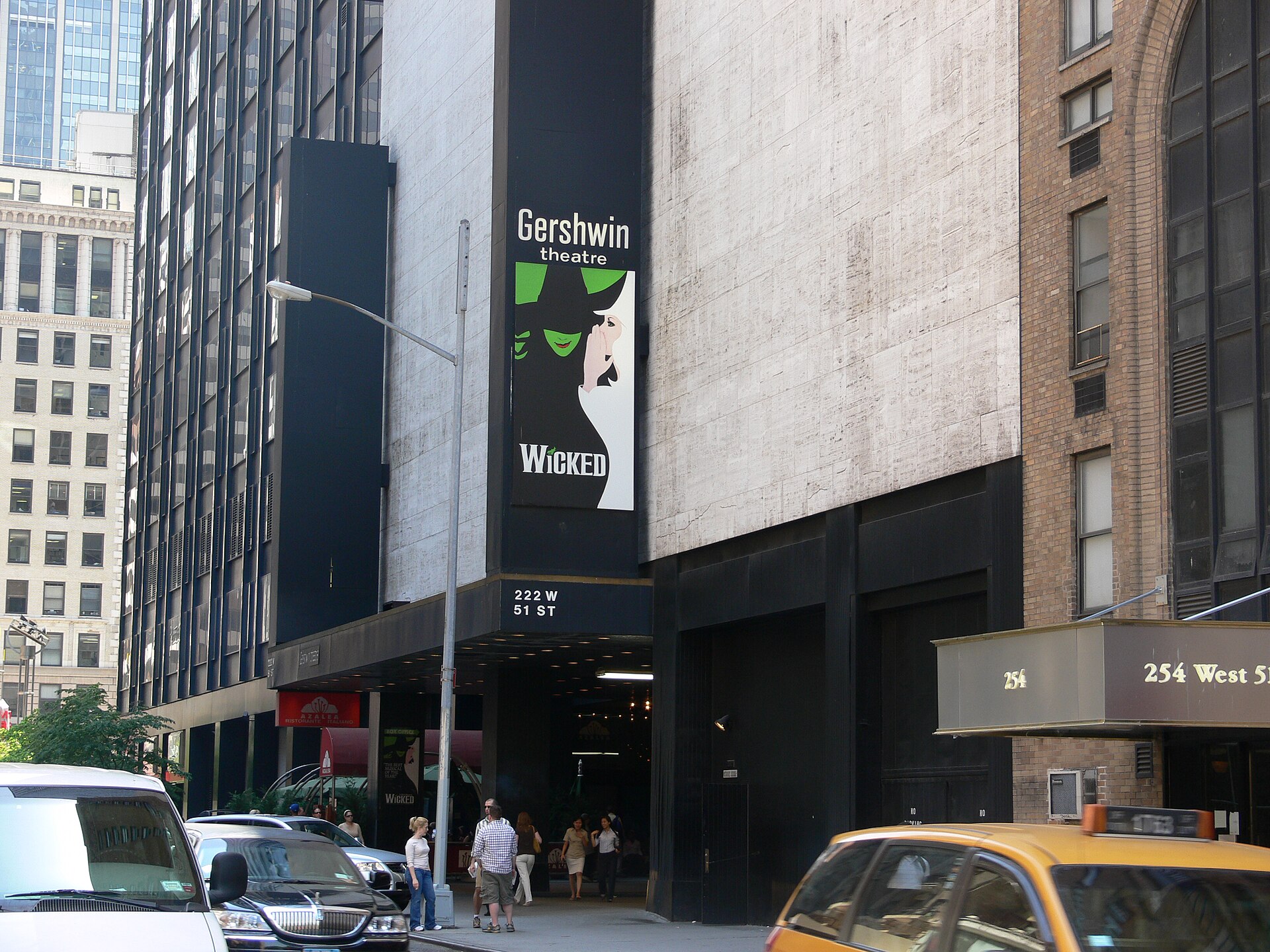
| Original Broadway | Longest-running show at the Winter Garden Theatre |
| 25th Anniversary Revival | Revised casting guidelines for authenticity |
| International Tours | Performed in over 14 countries |
| Concert Versions | Minimal staging, focus on orchestral score |
Original West End and Broadway Landmark Runs
The West End premiere in 1989 established Miss Saigon as a theatrical force, running for over 4,000 performances. Its Broadway transfer in 1991 replicated the success, anchoring a decade of large-scale musicals. The production’s helicopter landing scene became a benchmark in stage engineering.
Modern 25th Anniversary Revivals and Global Tours
The 2014 revival redefined the musical for contemporary audiences with more authentic casting and updated direction. Global tours have since brought the story to Southeast Asia, Europe, and South America. Recognizing how these tours adapt to local sensibilities reveals the show’s enduring reach.
Reimagined staging in the 25th anniversary production replaced exaggerated gestures with subtler performances, particularly in the portrayal of Kim. A mid-sized SaaS firm handling tour logistics noted improved audience engagement in cities like Manila and Hanoi, where cultural resonance heightened emotional impact. The revised script reduced reliance on Western savior tropes, aligning with modern theatrical standards. One tour featured supertitles in Vietnamese during select performances, a first in the musical’s history.
Critical Factors Behind the Musical’s Lasting Impact
- The emotional intensity of the love story anchors the production’s resonance across generations
- Historical authenticity grounds the narrative in a real and painful chapter of 20th-century conflict
- Operatic structure inherited from Puccini elevates the drama beyond typical musical theater conventions
- Enduring performances of the title role have solidified its place in theatrical canon
After decades on stage, revivals continue to draw sold-out crowds worldwide.
Historical Authenticity and the Vietnam War Setting
You experience the fall of Saigon through characters shaped by real geopolitical upheaval, with the musical referencing the 1975 evacuation and the plight of Amerasian children. Details like the U.S. embassy helicopter evacuations mirror documented events, adding narrative weight. After viewing, the war’s human cost lingers more than any plot twist.
The Artistic Influence of Giacomo Puccini’s Opera
You recognize echoes of Madama Butterfly in the tragic romance and cultural clash, but Miss Saigon recontextualizes the source with wartime urgency. After the final scene, the operatic lineage becomes unmistakable.
Composers Alain Boublil and Claude-Michel Schönberg adapted Puccini’s leitmotif technique, using recurring musical phrases to tie Kim’s devotion to her child across acts. The orchestral swell during her final act decision mirrors Butterfly’s climax, yet the setting in a war-torn airport replaces Nagasaki’s harbor with equal emotional gravity. After years of global stagings, this fusion of Western opera and modern tragedy remains distinctive.
Step-by-Step Preparation for the First-Time Viewer
| Preparation Stage | Action Item |
| Narrative Overview | Read a brief synopsis to understand the plot’s historical context and emotional stakes |
| Music Familiarization | Listen to the original cast recording, focusing on key numbers like “The Heat Is On in Saigon” and “Sun and Moon” |
| Cultural Context | Review background on the Vietnam War and the fall of Saigon to better grasp character motivations |
| Production Expectations | Be prepared for theatrical use of symbolism, including the helicopter scene, which is visually striking and emotionally intense |
Familiarizing Yourself with the Narrative Arc
Understanding the story’s progression from first encounter to tragic separation helps you anticipate emotional turning points. Focus on Kim and Chris’s relationship, which unfolds rapidly against a backdrop of war, as this central romance drives the entire narrative. Recognizing these milestones prepares you for the heart-wrenching climax without diminishing its impact.
Identifying Key Musical Motifs and Themes
Listen for recurring melodies tied to characters and ideas, such as the haunting reprise of “I Still Believe” that underscores Kim’s unwavering loyalty. The contrast between Western and Vietnamese musical elements reflects cultural tension, while repetitions of “Sun and Moon” signal enduring love amid chaos. These motifs deepen emotional resonance with each return.
Different instruments and harmonies represent identity and displacement throughout the score. The orchestra blends Western operatic style with traditional Vietnamese tonalities, particularly in Kim’s solos, to emphasize her isolation. When “The Movie in My Mind” shifts from hope to sorrow in later reprises, the change in orchestration signals her deteriorating reality, making the music itself a narrative force.
Evaluating the Pros and Cons of Viewing游戏副本ptions
Choosing how to experience Miss Saigon requires balancing accessibility, cost, and emotional impact. Your decision shapes not only the clarity of the performance but also your connection to the story’s intensity and scale.
| Viewing Option | Pros and Cons |
|---|---|
| Live Stage Performance | Unmatched energy and immediacy; limited seating availability and higher ticket costs. |
| Cinematic Pro-Shot (Film Version) | Wider accessibility through streaming or theaters; lacks live audience atmosphere. |
| Premium Center Stalls | Optimal sightlines and sound clarity; significantly higher price point. |
| Elevated Balcony Views | Budget-friendly with panoramic staging perspective; facial expressions may be harder to discern. |
| Community Theater Production | Lower cost and local talent showcase; variable production quality. |
| School or Amateur Performance | Affordable and supportive of emerging artists; potential technical limitations. |
| Audio Recording Only | Free or low-cost access to the score; no visual or staging elements included. |
| Live Broadcast in Cinemas | High-definition close-ups with near-live timing; delayed release compared to stage. |
| Free Online Clips | Convenient sampling of scenes; poor audiovisual quality and copyright concerns. |
| Rental of Official DVD | Full control over viewing pace; one-time cost but limited interactivity. |
Live Stage Performance vs. Cinematic Pro-Shots
Attending a live performance immerses you in the raw emotion and scale of Miss Saigon, with actors’ voices filling the theater in real time. A cinematic pro-shot delivers close-ups and camera angles impossible from a seat, yet removes the shared energy between cast and audience. The stage version offers authentic presence, while filmed versions provide visual precision at the expense of spontaneity.
Premium Center Stalls vs. Elevated Balcony Views
Your seat location directly affects how deeply you engage with the performers’ expressions and the orchestra’s dynamics. Center stalls place you near eye level with the stage, maximizing facial detail and sound balance. Balcony seats often cost less and offer a full-stage overview, though subtle moments can be lost. A mid-sized SaaS firm’s annual report noted similar trade-offs in user interface design-proximity enhances detail but limits context.
Expert Tips for an Optimized Theater Experience
- Arrive at least 30 minutes early to settle in and review the program notes
- Choose seats in the orchestra section for the clearest sightlines and acoustics
- Turn off all electronic devices to avoid distractions and respect performance etiquette
- Refrain from late entry, as most theaters enforce a no-admittance policy once the show begins
Assume that even subtle distractions can diminish both your experience and those around you.
Navigating Mature Themes and Emotional Intensity
Some scenes depict war trauma and family separation with raw intensity, which may affect sensitive viewers. The portrayal of romantic sacrifice and cultural displacement carries emotional weight, particularly in the final act. Assume that younger audiences may need context to process these layered narratives.
Understanding Technical Effects and Set Design
The sudden appearance of a helicopter during the evacuation scene relies on precise rigging and sound synchronization. Strobe lighting and pyrotechnics enhance the chaos of wartime Saigon. Assume that these elements are carefully timed to support, not overshadow, the story’s emotional core.
Behind the scenes, the stage features a rotating platform that shifts between intimate interiors and expansive cityscapes, allowing seamless transitions without幕 drops. The set design uses layered backdrops and adjustable props to reflect both personal and political scales, grounding the epic narrative in tangible spaces. The helicopter effect, a signature moment, involves coordinated lighting, wind machines, and a descending rig that appears to hover just above the actors.
Conclusion
You now have a clear understanding of Miss Saigon, from its historical context to the emotional weight of its score and characters. Your first viewing will be informed by the production’s evolution, the strength of its performances, and the care needed in approaching its sensitive themes. You are prepared to engage with the musical as both art and cultural artifact, recognizing its place in theater history through the lens of personal and collective storytelling.
FAQ
Q: What is the historical setting of Miss Saigon and why does it matter to the story?
A: Miss Saigon takes place during the final days of the Vietnam War, specifically around the fall of Saigon in 1975, a period marked by political upheaval and mass evacuations. The setting shapes the entire narrative, grounding the romance between Kim, a young Vietnamese woman, and Chris, an American Marine, in the chaos of a collapsing city. Real-world events like the U.S. embassy evacuation influence pivotal scenes, such as the helicopter sequences in the finale. Understanding this backdrop helps viewers grasp the characters’ motivations, particularly the desperation that drives Kim’s actions and Chris’s sense of duty and guilt. A mid-sized SaaS firm might use timelines to clarify product milestones, much like how the musical uses historical anchors to heighten emotional stakes.
Q: Is Miss Saigon appropriate for younger audiences?
A: Miss Saigon contains mature themes including war violence, sexual exploitation, and suicide, making it generally unsuitable for children under 13. Scenes set in a Saigon bar during wartime depict coercive environments and implied trafficking, while the central relationship involves a teenager and an adult foreign soldier. The emotional weight of the final act, which includes a character’s self-sacrifice, can be deeply affecting even for older teens. Parents and educators should review content advisories provided by the production company or theater. For instance, the original West End production included disclaimers about intense subject matter, and many modern stagings offer talkbacks or study guides to help younger viewers process the material.
Q: How has Miss Saigon addressed criticism about cultural representation?
A: Early productions of Miss Saigon faced backlash for casting non-Asian actors in lead Asian roles and for reinforcing stereotypes about Vietnamese women as submissive or exotic. The 2014 London revival and subsequent international tours made deliberate changes, including casting Asian performers in all principal roles and consulting with Vietnamese cultural advisors. The revised staging adjusted choreography and costuming to reflect more authentic regional details, such as the use of traditional áo dài garments in everyday contexts rather than solely as performance pieces. These updates reflect broader industry shifts toward inclusive storytelling, though debates about authorship and perspective continue, particularly since the creative team remains predominantly Western.
Curious about forex — without risking real money first?
XM offers a free demo account so you can practice trading with virtual funds before deciding whether live trading is for you.