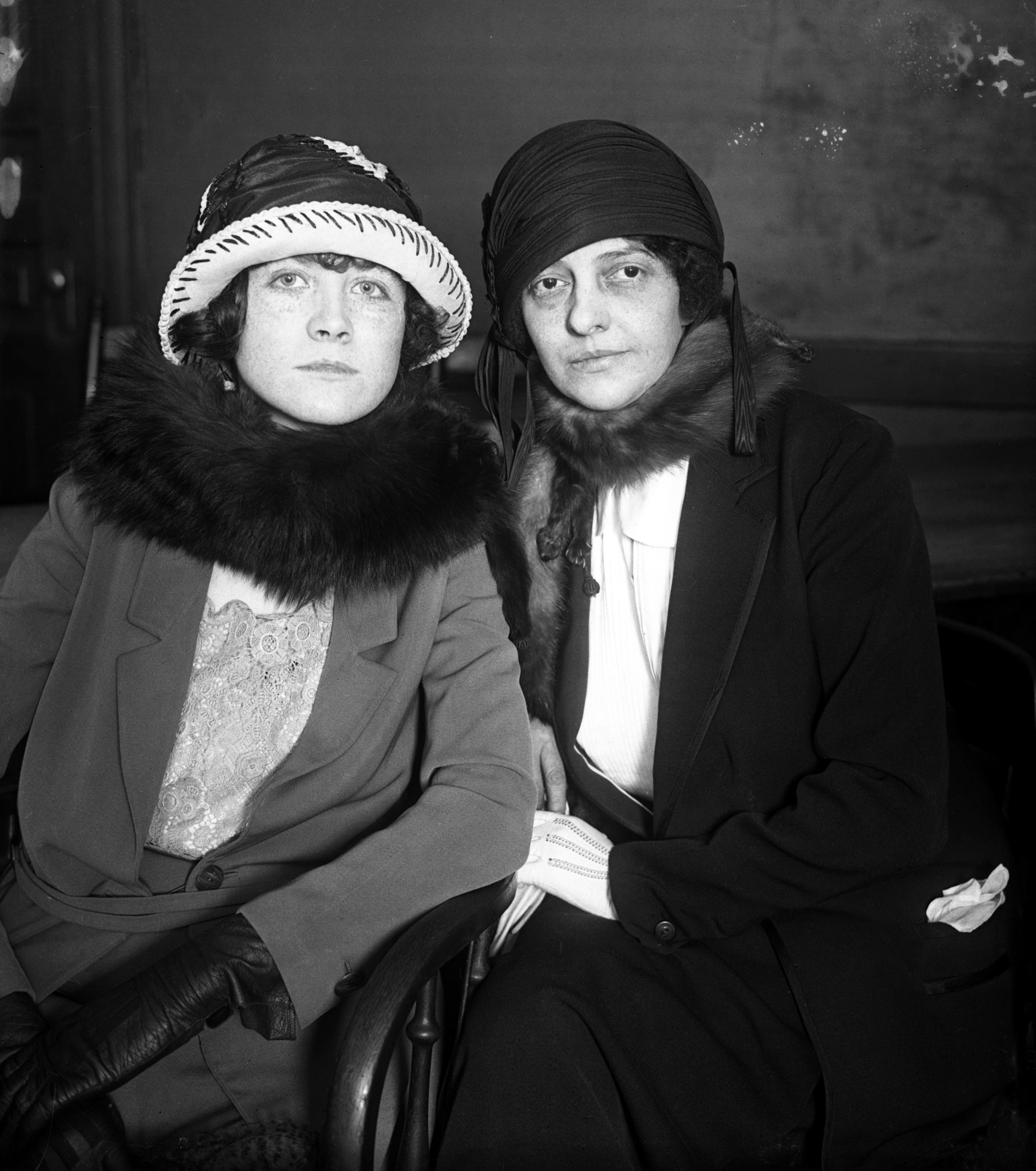









You already know the fishnets and the smirk. What keeps Chicago irresistible is the score: Kander and Ebb writing numbers that feel like nightclub turns, press conferences, and courtroom magic tricks. This is a spoiler-light companion to our Chicago the Musical — Complete Fan Guide—titles, jobs, and vibe for each key song, without dumping full lyrics or wrecking the big twists.

Think of these as the songs every first-time fan should recognize by title before curtain—or before you press play on a cast album. We stay light on plot spoilers; where a number sits late in the story, we flag the mood without spelling out the ending.
Sending money abroad?
Wise makes international transfers cheaper than most banks — real exchange rates, low fees, and a free debit card option in many countries.
Need social posts without the grind?
Holo turns one idea into reels and photo posts with AI — useful if you promote shows, reviews, or fan content and want more output with less editing time.
How to use this song guide
Titles only, emotional jobs front and center. Official cast albums and licensed streams are where the full performances live. Knowing what each number does in the show—who is selling what, and to whom—makes the satire land harder the first time you hear it.
- New to the show? Skim the openers and Act One crowd-pleasers first, then loop back after you have seen it.
- Cast-album fan? Compare the 1975 original Broadway cast, the 1996 revival album, and the 2002 film soundtrack—same titles, different heat.
- Want the full hub? Characters, history, FAQs, and reading paths live in the Complete Fan Guide.
All That Jazz
The opener and the mission statement. Velma (and the company) roll out pleasure, danger, and appetite in one sleek invitation: stay up late, look sharp, ignore the consequences. It is not a gentle welcome—it is a wink that says the evening will be glamorous and a little ruthless. If you remember only one Chicago title walking into the theatre, make it this one.
Funny Honey
Roxie’s early spotlight number: sweetness with a loaded punchline. She spins her situation for an audience (onstage and in the house) while the show teaches you how Chicago characters sell stories about themselves. Listen for how the charm and the crime sit in the same smile.
Cell Block Tango
The merry murderesses’ gallery—and still one of Broadway’s surefire Act One eruptions. Each woman gets a confessional vignette; the ensemble snaps into that unmistakable rhythmic chant fans quote forever. Tone-wise it is dark comedy at full volume: funny, chilling, and pure vaudeville framing. (Older lyric-dump posts on the internet are not the point—see it staged or hear a licensed recording.)

When You’re Good to Mama
Matron “Mama” Morton’s transactional gospel. Favors have a price; loyalty is a business model. The number is warm, comic, and completely clear-eyed about power inside Cook County Jail. If Billy Flynn sells narratives to the press, Mama sells access on the inside.
All I Care About
Billy Flynn’s entrance: charm as a professional product. He insists he only cares about love (not money)—while the staging and the wink tell you otherwise. It is a master class in unreliable narrators set to a soft-shoe smile. First-timers should clock him immediately: this is the lawyer who will turn a murder trial into entertainment.
We Both Reached for the Gun
Press conference as ventriloquist act. Billy shapes what the reporters hear while Roxie becomes the puppet of a carefully coached story. Even spoiler-light, you can feel the theme: media repetition manufactures truth. Musically and theatrically, it is one of the show’s smartest inventions—and a favorite for fans who love satire that still dances.
Roxie
Roxie’s fantasy of fame—lights, fans, and a name in lights that finally belongs to her. It is pure appetite: the dream the whole musical keeps dangling and undercutting. Great vehicle for star Roxies; great tell for the audience about what she actually wants (spoiler: not quiet domestic peace).
Mister Cellophane
Amos Hart’s quiet heartbreak. Soft-shoe sadness in a show full of razors. While everyone else fights for ink, Amos sings about being see-through—present, loyal, and ignored. Many fans call it the score’s most human moment. If Chicago ever makes you ache instead of smirk, this is usually why.

Razzle Dazzle
Billy’s courtroom philosophy in song form: distract, glitter, win. The number explains the show’s thesis without a lecture—justice as showbiz, truth as optional scenery. Spoiler-light tip: listen for how the lyric treats the audience (jury, press, us) as customers who want a good performance more than a good fact pattern.
Nowadays / Hot Honey Rag
The late-show partnership number(s). After rivalries, headlines, and trials, Roxie and Velma sell the one product Chicago never stops buying: a sharp act. “Nowadays” is worldly and bittersweet; “Hot Honey Rag” snaps into pure performance energy. We will not spoil how they get there—just know the finale is about surviving by putting on a show.
Honorable mentions (worth knowing by title)
- Me and My Baby — Roxie’s opportunistic mid-show pivot; fame management as comedy.
- A Little Bit of Good — Mary Sunshine’s sentimentality (and the show’s joke about how the press wants to believe the best).
- I Can’t Do It Alone — Velma’s pitch for a sister act when the spotlight slips.
- Class — Velma and Mama’s tart duet about manners, hypocrisy, and who gets to define “taste.”
Where to hear them (legally)
Start with the 1996 Broadway revival cast album if you want the sleek long-running sound most tourists meet today, or the 1975 original Broadway cast for Fosse-era heat. Film fans often begin with the 2002 movie soundtrack, then circle back to stage albums for different colors. Skip unofficial lyric dumps and pirated uploads—support licensed releases and ticketed shows when you can.
Keep reading on Musicals On Line
Ready for the full picture—characters, spoiler-labeled synopsis, Broadway history, and FAQs? Head to our hub:
Chicago the Musical — Complete Fan Guide
Older Chicago posts on the site (synopsis, characters, analysis) still pair well as short side trips once you know which songs carry the night.
Song titles and roles described for commentary and fan education. Full lyrics and recordings belong to their rights holders—seek official cast albums and licensed performances.
Curious about forex — without risking real money first?
XM offers a free demo account so you can practice trading with virtual funds before deciding whether live trading is for you.