








If you have never seen Chicago but keep hearing about “All That Jazz,” fishnets, and a lawyer who can sell anything to a jury, this guide is for you. Jazz Age satire with sharp elbows—murder, media frenzy, and Bob Fosse’s unmistakable silhouette—Kander and Ebb’s musical has been welcoming first-time fans for decades. Here is a clear, spoiler-aware path so you can walk into the theatre (or press play) with confidence.
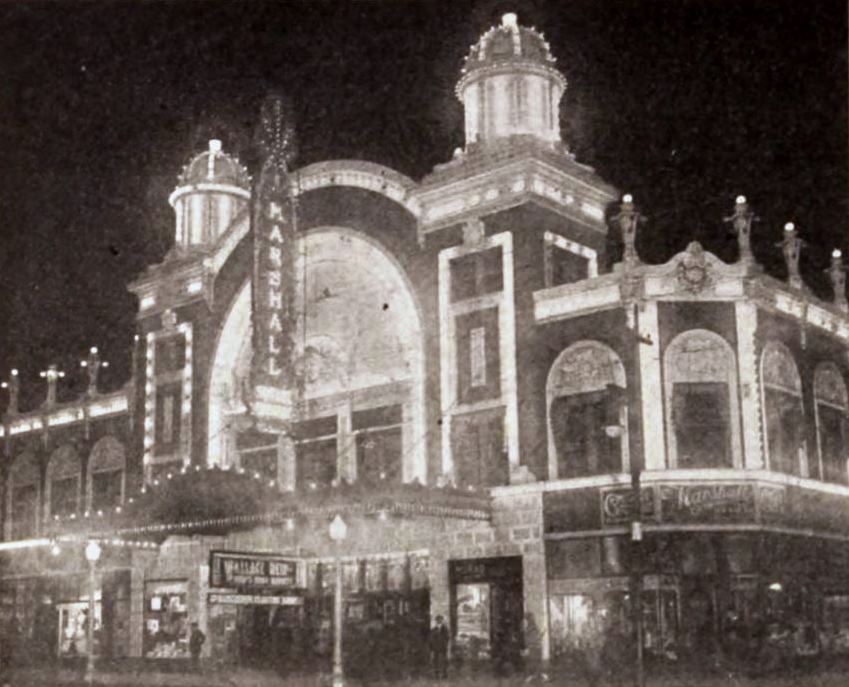
This Complete Fan Guide gathers the essentials: who wrote it, what the story is about without wrecking the surprises, which characters matter, which songs to know by title, how the Broadway revival became a legend, and where to keep reading on Musicals On Line. No jargon wall. No lecture tone. Just a trustworthy hub for curious fans.
Sending money abroad?
Wise makes international transfers cheaper than most banks — real exchange rates, low fees, and a free debit card option in many countries.
Need social posts without the grind?
Holo turns one idea into reels and photo posts with AI — useful if you promote shows, reviews, or fan content and want more output with less editing time.
Quick facts
- Composer / lyricist: Music by John Kander; lyrics by Fred Ebb
- Book: Fred Ebb and Bob Fosse, based on Maurine Dallas Watkins’s 1926 play Chicago
- Premiere: Broadway, 1975 (46th Street Theatre); landmark revival, 1996 (still running)
- Runtime (approx.): About 2 hours 30 minutes including intermission (productions vary)
- Famous for: Vaudeville framing, Fosse-style choreography, “All That Jazz,” “Cell Block Tango,” and a cynical wink at celebrity justice
Table of contents
- Is this show for first-timers?
- Story synopsis (spoiler-light)
- Story synopsis (spoilers clearly labeled)
- Main characters
- Songs to know
- Production history (Broadway, West End, film)
- Why fans love it
- How to experience it
- Start here on Musicals On Line
- FAQ
- Related Complete Fan Guides
Is this show for first-timers?
Yes—especially if you like sharp comedy, great dancing, and stories that do not pretend the world is innocent. Chicago is often one of the first “adult” musicals people try after Disney or jukebox shows. The plot is easy to follow once you know it is a vaudeville act about two women competing for the spotlight—and for freedom.
A few honest caveats help first-timers set expectations:
- Tone: Dark comedy and satire. People die; the score keeps smiling. It is not a wholesome family romp.
- Style: Presentational and theatrical. Numbers are often framed as nightclub acts or publicity stunts, not naturalistic “burst into song” moments.
- Content: Murder, adultery, corruption, sexual suggestiveness, and hanging jokes. Many teens handle it with context; very young children will miss the satire and may find the themes intense.
- Look: The long-running Broadway revival is famously sleek and minimal—black costumes, chairs, a band onstage. Period glamour lives more in attitude than in painted scenery.
If you can enjoy a crime story that winks at the camera and a dance vocabulary that is precise, sexy, and a little dangerous, you are in the right seat.
Story synopsis (spoiler-light)
In 1920s Chicago, wannabe vaudeville star Roxie Hart shoots her lover and lands in Cook County Jail. There she meets Velma Kelly, a polished nightclub performer already skilled at turning a murder charge into front-page fame. Matron “Mama” Morton runs favors like a business. Flashy defense attorney Billy Flynn manufactures sympathy for clients who can pay. Roxie’s husband Amos wants to help—and is almost invisible while he tries.
The show treats trials, press conferences, and jailhouse alliances as entertainment. Who gets the headlines? Who gets the lawyer? Who gets forgotten when a newer scandal arrives? That framing is enough to follow Act One without giving away the big turns. If you want the fuller arc—including endings and key twists—read the spoiler section below after you have seen the show, or if you prefer to know everything first.
Story synopsis (spoilers)
Spoilers for the full plot follow. Skip this section if you want surprises intact.
Roxie pressures Amos into hiring Billy Flynn. Billy spins Roxie into a media darling—“the sweetest little jazz murderess”—and coaches her story until the press repeats it for him. Velma loses the spotlight and tries to revive a sister act with Roxie; Roxie refuses. A richer, flashier defendant briefly steals the news cycle, so Roxie invents a pregnancy to claw back attention. At trial, Billy turns the courtroom into a carnival. Roxie is acquitted. Freedom, however, is not the same as lasting fame: the public moves on. Roxie and Velma finally join forces for a vaudeville act—“Nowadays”—that sells the only product Chicago never stops buying: a good show.
Main characters
- Roxie Hart: Ambitious, impulsive, and hungry for celebrity. Not the sharpest strategist in the room—but she learns how to play the game.
- Velma Kelly: Vaudeville pro who already understands that scandal can be a career move. Cooler, sharper, and often Roxie’s rival for ink.
- Billy Flynn: Undefeated lawyer and master of spin. He sells narratives to reporters and juries with equal confidence.
- Amos Hart: Roxie’s loyal, overlooked husband—the human cost of everyone else’s spotlight.
- Matron “Mama” Morton: Jail matron who trades favors for cash and loyalty; warm smile, transactional heart.
- Mary Sunshine: Sentiment-soaked reporter (traditionally a comic reveal in casting and performance) who helps Billy shape public opinion.
- The ensemble / “merry murderesses”: Cell Block Tango’s gallery of women with their own versions of “he had it coming.”
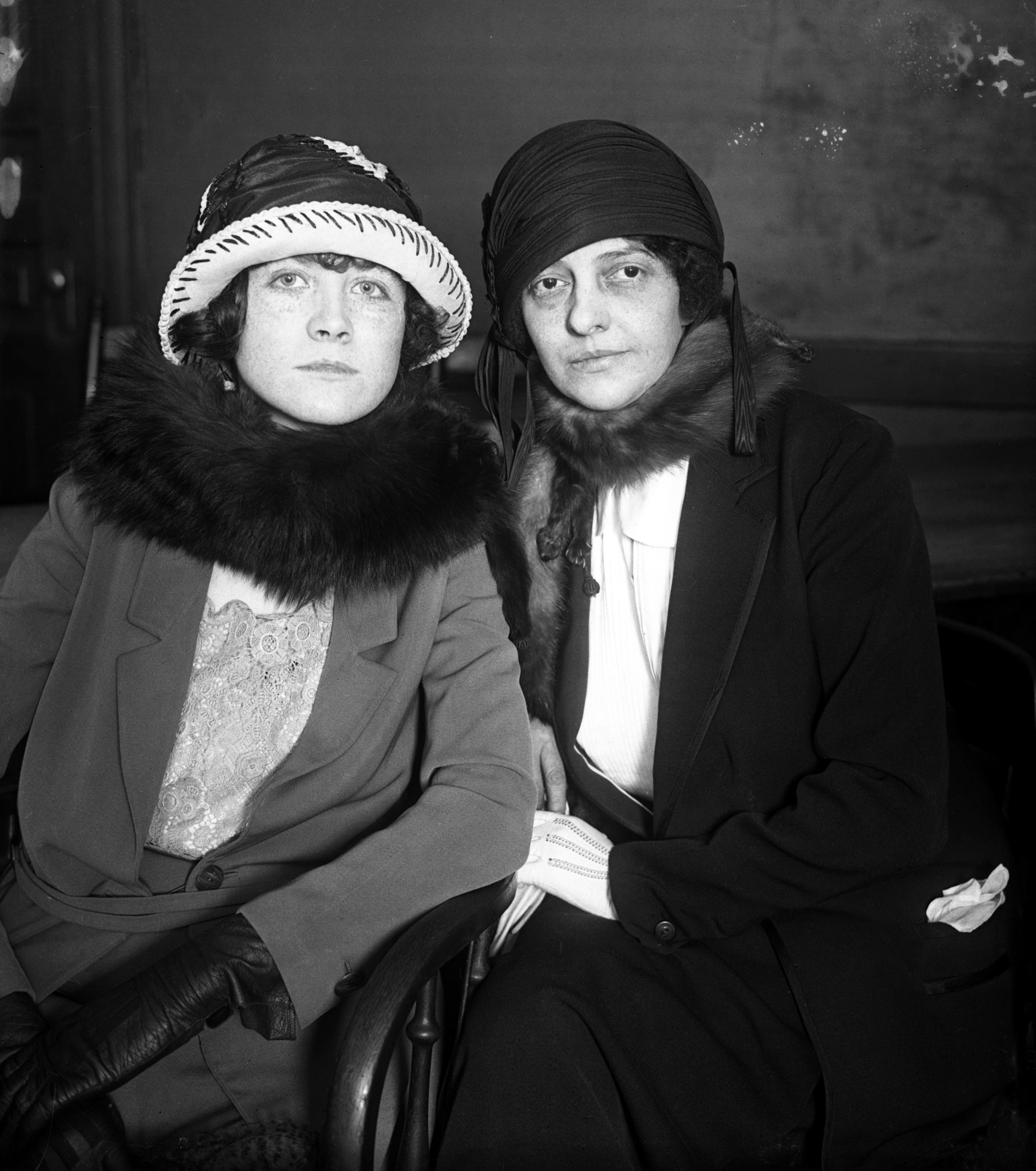
Real history under the glitter: reporter Maurine Dallas Watkins covered sensational 1920s murder trials in Chicago. Beulah Annan helped inspire Roxie; Belva Gaertner helped inspire Velma. Watkins’s 1926 play became the seed for the musical—and for earlier screen versions of the same tale.
Songs to know
Titles only—no full lyrics. One line on why each number matters to first-time fans:
- All That Jazz — The opener and mission statement: pleasure, danger, and showbiz appetite in one breath.
- Funny Honey — Roxie’s early spin on her crime; sweetness with a loaded punchline.
- Cell Block Tango — The merry murderesses’ confessionals; audience favorite and tone-setter for dark comedy.
- When You’re Good to Mama — Mama Morton’s transactional gospel; corruption with a wink.
- All I Care About — Billy Flynn’s entrance: charm as a business model.
- We Both Reached for the Gun — Press conference as ventriloquist act; media manipulation made literal.
- Mister Cellophane — Amos’s quiet heartbreak; the show’s softest, saddest spotlight.
- Razzle Dazzle — Billy’s courtroom philosophy: distract, dazzle, win.
- Nowadays / Hot Honey Rag — The finale partnership; survival through performance.
Fair-use tip: knowing the titles and emotional jobs of these numbers is enough. Save the full recordings for official cast albums and licensed streams.
Production history (Broadway, West End, film)
1975 Broadway original: Directed and choreographed by Bob Fosse, with Gwen Verdon as Roxie, Chita Rivera as Velma, and Jerry Orbach as Billy Flynn. It ran for hundreds of performances and earned strong notices for style—but sat in the shadow of a certain other 1970s juggernaut about a chorus line. Over time, fans came to see it as a Fosse masterpiece that was simply ahead of its cultural moment.
1996 Broadway revival: Born at New York City Center’s Encores!, then transferred. Directed by Walter Bobbie with choreography “in the style of Bob Fosse” by Ann Reinking (who also starred as Roxie). Bebe Neuwirth, James Naughton, and Joel Grey anchored early casts. The revival won six Tony Awards, including Best Revival of a Musical, and became Broadway’s longest-running American musical and longest-running musical revival—still playing after decades of star replacements and touring life.
West End: Original London mounting in 1979; a major 1997 revival followed Broadway’s rediscovery and became a long-running hit in its own right. Later West End and UK tour productions have kept the brand hot for new audiences.
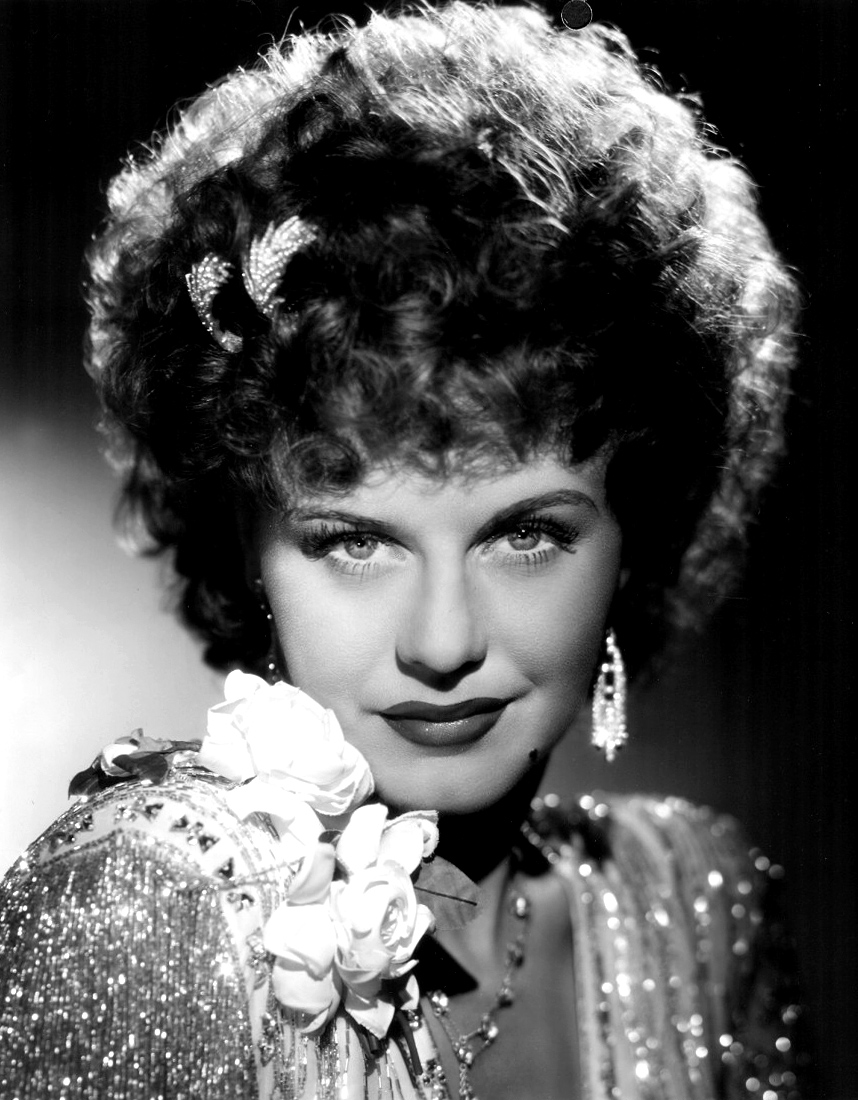
Film lineage: Before the musical, Watkins’s play reached screens (including the 1942 film Roxie Hart). The 2002 Rob Marshall film—starring Renée Zellweger, Catherine Zeta-Jones, and Richard Gere—won the Academy Award for Best Picture and introduced millions to the score. Stage and screen feel different; many fans enjoy both.
Why fans love it
- It tells the truth with a smirk. Celebrity, spin, and “justice as entertainment” still feel current every time a trial trends.
- The dancing is the thesis. Isolation, hip isolations, bowler hats, and razor-clean ensemble work make Fosse’s vocabulary the show’s visual brand.
- It is funny without being soft. You can laugh at “Cell Block Tango” and still feel the chill underneath.
- It welcomes star turns. Roxie, Velma, Billy, and Mama are magnet roles; Broadway and tours have hosted a revolving door of celebrated performers.
- The revival look travels. Minimal sets and a onstage band make the show theatrical in any house—intimate and larger-than-life at once.
How to experience it
- Live: Broadway’s long-running revival, national tours, West End / UK tours, and licensed regional or international productions. Check official producer and venue sites for current casting and dates.
- Cast albums: The 1975 original Broadway cast recording and the 1996 revival cast album are the classic starting points. Film soundtrack fans often begin with the 2002 movie album—then circle back to stage versions for different flavors.
- Film: The 2002 movie is widely available through legitimate streaming, digital purchase, and physical media depending on your region. It is a strong introduction, not a perfect substitute for live Fosse-style staging.
- What to skip: Unofficial lyric dumps and pirated recordings. Support licensed releases and ticketed performances when you can.

Start here on Musicals On Line
These published guides pair well with this hub. Read them in any order:
- Chicago The Musical: Ambition-Fueled Murder And All That Jazz — A personal, film-aware entry into why the story still shocks and charms.
- Chicago: Synopsis — A tighter narrative walkthrough when you want plot without the full hub apparatus.
- Chicago: Characters Description — Character-by-character notes for Roxie, Velma, Billy, Mama, Amos, and Mary Sunshine.
- Chicago The Musical Analysis — Deeper thoughts on legalese chutzpah, spotlight wars, and the vaudeville frame.
FAQ
Do I need to know 1920s Chicago history first?
No. Knowing “Jazz Age + newspapers loved a sensational trial” is enough. The real Watkins cases are a rewarding rabbit hole after the show, not homework before curtain.
Is the 2002 film a good substitute for the stage show?
It can introduce the story and songs brilliantly. Live staging—especially the presentational revival aesthetic and the Fosse-style ensemble—is a different thrill. Many fans enjoy both; neither fully replaces the other.
How long does Chicago usually run?
Most professional productions land around two and a half hours with one intermission. Always check your venue’s running time.
Is it appropriate for children?
Depends on the child. Themes are adult (murder, sex, corruption). Many families wait until early teens. Check your production’s guidance.
Why is the Broadway revival so stripped-down?
The Encores! concert roots celebrated the score and Fosse vocabulary without heavy scenery. That clarity became the production’s identity—and part of why it travels so well.
Is Chicago still on Broadway?
The 1996 revival has been a long-running fixture; status and theatre can change with the industry, so verify current ticketing on official Broadway channels before you plan a trip.
Related Complete Fan Guides
Building a first-timer list? These companion hubs sit alongside Chicago:
- The Phantom of the Opera — Complete Fan Guide
- Les Misérables — Complete Fan Guide
- Hamilton — Complete Fan Guide
- Wicked — Complete Fan Guide
- The Lion King Musical — Complete Fan Guide
Use this page as your Chicago home base—and explore the synopsis, characters, and analysis articles linked above whenever you want a shorter deep-dive.
Facts about long runs, cast history, and box office change over time; where numbers are uncertain, we phrase them as commonly cited rather than inventing precise tallies. Always verify current touring and ticket details with official producers.
Curious about forex — without risking real money first?
XM offers a free demo account so you can practice trading with virtual funds before deciding whether live trading is for you.