









If Les Misérables has always felt “important” but slightly intimidating, this guide is your soft landing. Redemption, revolution, and some of the most beloved songs in musical theatre—told clearly for first-time fans. You do not need to finish Victor Hugo’s novel before curtain. You only need curiosity and a willingness to feel things.
This Complete Fan Guide covers what the show is, who it is for, a spoiler-light story path (plus a labeled spoiler section), the main characters, famous numbers by title, and Musicals On Line articles that pair well with a first listen or first visit.
Sending money abroad?
Wise makes international transfers cheaper than most banks — real exchange rates, low fees, and a free debit card option in many countries.
Need social posts without the grind?
Holo turns one idea into reels and photo posts with AI — useful if you promote shows, reviews, or fan content and want more output with less editing time.
Quick facts
- Composer / lyricists: Music by Claude-Michel Schönberg; original French text by Alain Boublil and Jean-Marc Natel; English lyrics by Herbert Kretzmer
- Source: Victor Hugo’s novel Les Misérables (1862)
- Premiere: French concept/album era in the early 1980s; English-language stage phenomenon from the mid-1980s (London, then Broadway)
- Runtime (approx.): Often about 2 hours 45 minutes to 3 hours including intermission (productions vary)
- Famous for: Through-sung storytelling, the barricade, “I Dreamed a Dream,” “On My Own,” and a theme of mercy versus rigid law
Table of contents
- Is this show for first-timers?
- Story synopsis (spoiler-light)
- Story synopsis (spoilers clearly labeled)
- Main characters
- Songs to know
- Start here on Musicals On Line
- FAQ
- Related Complete Fan Guides
Is this show for first-timers?
Yes—if you are ready for big feelings and a longer evening. Les Mis is one of the most welcoming “epic” musicals: the music carries plot clearly, and the emotional stakes are easy to grasp even when French history is unfamiliar.
- Tone: Earnest, tragic, and hopeful. Expect tears; comedy appears mainly through the Thénardiers.
- Form: Largely through-sung (little spoken dialogue). That can feel intense at first—lean on the songs.
- Content: Poverty, prostitution, violence at the barricade, and death. Many teens handle it with context; it is not a light family romp.
- History: You do not need a degree in French revolutions. Knowing “students vs. the state in 1832 Paris” is enough.
If Hamilton’s ambition or Phantom’s romance appealed to you, Les Mis sits in the same “gateway epic” family—with a stronger focus on justice and grace.
Story synopsis (spoiler-light)
Jean Valjean leaves prison after a harsh sentence for stealing bread. An act of unexpected mercy pushes him toward a new life—while Inspector Javert believes the law has no exceptions. Years later, Valjean’s path crosses Fantine, a desperate factory worker, and her child Cosette. Raising Cosette becomes Valjean’s quiet mission as Javert’s pursuit never fully sleeps.
In Paris, young idealists prepare to fight at the barricades. Cosette falls for Marius; Éponine watches from the edges of that romance. Personal stories and public uprising braid together until love, loyalty, and conscience collide.
That framing is enough to follow the first half. For endings and major deaths, use the spoiler section below only when you are ready.
Story synopsis (spoilers)
Full-plot spoilers follow.
Valjean becomes a respected mayor under a new name, then reveals himself to save an innocent man mistaken for him. He rescues Cosette from the abusive Thénardiers. In Paris, Marius joins the student revolt; Éponine dies delivering a message of love and warning. At the barricade, Valjean saves Marius and spares Javert’s life—an act of mercy Javert cannot reconcile with his worldview. Javert takes his own life. Valjean delivers Marius to safety through the sewers, then withdraws so Cosette can have a future. On his deathbed, Valjean is reunited in spirit and memory with those he loved; Cosette and Marius learn the truth of his sacrifices. The musical closes on hope that love and grace outlast systems of punishment.
Main characters
- Jean Valjean: Ex-convict turned protector; the story’s moral centre of change and compassion.
- Inspector Javert: Relentless lawman whose certainty becomes a tragedy when mercy appears.
- Fantine: Mother forced into ruin; her suffering catalyzes Valjean’s guardianship of Cosette.
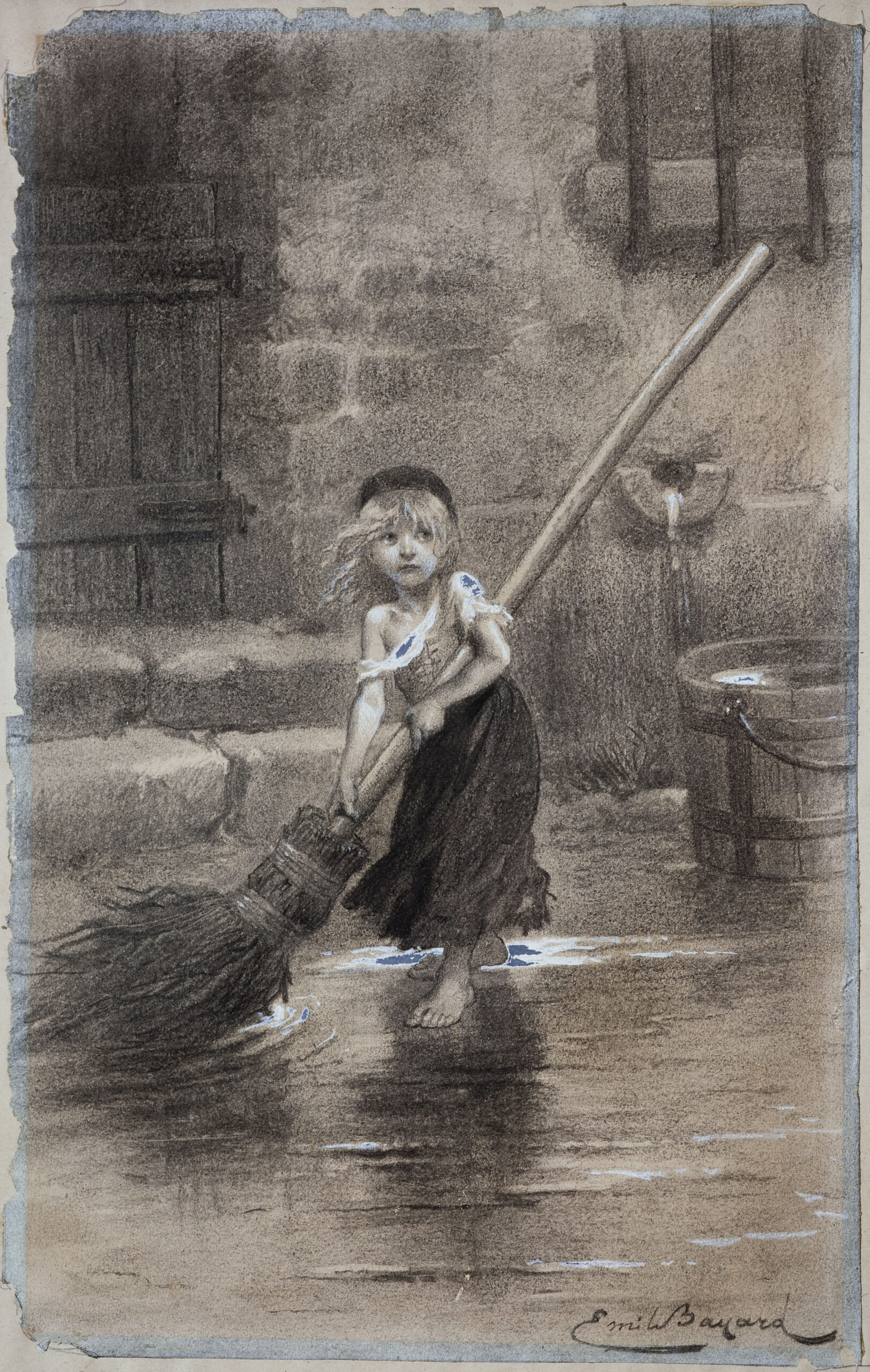
- Cosette: Fantine’s daughter; grows from abused child to the emotional heart of Valjean’s later life.
- Marius Pontmercy: Idealistic student whose love for Cosette ties the domestic story to the barricade.
- Éponine: Thénardier daughter who loves Marius without being chosen; one of the score’s most aching voices.
- Thenardier & Madame Thenardier: Comic-cruel innkeepers and opportunists; greed in human form.
- Enjolras & the students; Gavroche: Faces of the uprising—leadership, youth, and streetwise courage.
Songs to know
Titles and why they matter—no full lyrics:
- I Dreamed a Dream — Fantine’s heartbreak; often the first Les Mis song people recognize outside the theatre.
- Who Am I? — Valjean’s conscience under pressure; identity versus safety.
- Castle on a Cloud — Young Cosette’s fragile hope; a soft doorway into the darker world around her.
- Master of the House — The Thénardiers’ comic-villain energy; audience relief with a sharp edge.
- Do You Hear the People Sing? — The anthem of the uprising; communal power in one chorus.
- On My Own — Éponine’s unrequited love; a first-timer favourite for emotional clarity.
- One Day More — Act One finale weaving every major thread before the barricade.
- Bring Him Home — Valjean’s prayer for Marius; quiet intensity after so much noise.
Start here on Musicals On Line
- A Beginner’s Guide to Les Misérables — Mediums, themes, and how to approach the story without fear.
- The Complete Story of Les Misérables Explained — Deeper plot and character arcs when you want the full map.
- Hidden Details in Les Misérables That Make It a Masterpiece — Motifs and craft notes for a second look.
FAQ
Is the musical the same as the novel?
No. The musical compresses Hugo’s sprawling book into a focused emotional arc. Digressions and many subplots are cut. The heart—mercy, justice, love—remains.
Will I understand it if I don’t know French history?
Yes. The show explains what you need in song and staging. A quick note that the 1832 June Rebellion is not the 1789 Revolution is already helpful context.
Is the 2012 film a good first exposure?
Many people meet Les Mis that way. Live theatre still offers different power (especially the ensemble and barricade). Either path works; both reward a second visit.
Why does everyone cry?
Because the score attaches personal sacrifice to public struggle—and then asks what goodness costs. Bring tissues without shame.
How should I prepare?
Optional: skim a cast list and listen to a few famous tracks by title. Mandatory: open heart, charged phone off, water bottle for intermission.
Is it appropriate for children?
Depends on the child. Themes are mature. Many families wait until early teens. Check your production’s guidance.
Related Complete Fan Guides
- The Phantom of the Opera — Complete Fan Guide
- Hamilton — Complete Fan Guide
- Wicked — Complete Fan Guide
- The Lion King Musical — Complete Fan Guide
These companion hubs sit alongside Les Mis for first-timers building a watchlist. For Les Mis itself, the three articles in Start here remain your best next clicks.
Production lengths and casting claims vary by year and city. We avoid inventing box-office rankings or cast statistics; treat longevity claims as commonly reported where not verified for your market.
Curious about forex — without risking real money first?
XM offers a free demo account so you can practice trading with virtual funds before deciding whether live trading is for you.