








If you have never seen The Phantom of the Opera but keep hearing about the mask, the chandelier, and that unforgettable score, this guide is for you. Soft lights, sweeping melody, and a love story with sharp edges—Andrew Lloyd Webber’s musical has welcomed first-time fans for decades. Here is a clear, spoiler-aware path so you can walk into the theatre (or press play) with confidence.
This Complete Fan Guide gathers the essentials: who wrote it, what the story is about without wrecking the surprises, which characters matter, which songs to know by title, and where to keep reading on Musicals On Line. No jargon wall. No lecture tone. Just a trustworthy hub for curious fans.
Sending money abroad?
Wise makes international transfers cheaper than most banks — real exchange rates, low fees, and a free debit card option in many countries.
Need social posts without the grind?
Holo turns one idea into reels and photo posts with AI — useful if you promote shows, reviews, or fan content and want more output with less editing time.
Quick facts
- Composer / lyricist: Music by Andrew Lloyd Webber; lyrics by Charles Hart; additional lyrics by Richard Stilgoe
- Book: Richard Stilgoe and Andrew Lloyd Webber, based on Gaston Leroux’s novel
- Premiere: West End, 1986 (His Majesty’s Theatre, London); Broadway, 1988
- Runtime (approx.): About 2 hours 30 minutes including intermission (productions vary)
- Famous for: The chandelier, the Phantom’s half-mask, gothic romance, and a score that still fills arenas and touring houses worldwide
Table of contents
- Is this show for first-timers?
- Story synopsis (spoiler-light)
- Story synopsis (spoilers clearly labeled)
- Main characters
- Songs to know
- Start here on Musicals On Line
- FAQ
- Related Complete Fan Guides
Is this show for first-timers?
Yes—especially if you like romance, mystery, and big theatrical spectacle. Phantom is often one of the first “serious” musicals people try after Disney or jukebox shows. The plot is easy to follow once you know the love triangle at the centre, and the music does a lot of the storytelling for you.
A few honest caveats help first-timers set expectations:
- Tone: Gothic and romantic, with moments of menace and tragedy. It is not a light comedy.
- Pacing: Opera-within-the-opera scenes and lush ballads mean the show breathes; it is not a constant joke-per-minute pace.
- Content: Obsession, stalking, and violence are part of the story. Many productions are fine for teens with context; very young children may find some scenes intense.
- Language: English (with French names and Parisian setting). You do not need to know opera to enjoy it.
If you can enjoy a sweeping film romance and a haunted-house atmosphere in the same evening, you are in the right seat.
Story synopsis (spoiler-light)
In late-nineteenth-century Paris, a mysterious figure known only as the Phantom haunts the Opera House. He has tutored a young chorus singer, Christine Daaé, whose voice is beginning to astonish the company. When Christine is given a chance to step into a leading role, her childhood friend Raoul reappears—and the Phantom’s claim on her art (and her heart) turns dangerously jealous.
Managers try to keep the house running while anonymous demands arrive from Box Five. Christine is torn between gratitude, fear, and the pull of ordinary love. The Phantom wants recognition for his music and devotion from his muse. Around them, the Opera House itself becomes a character: glittering on the surface, honeycombed with tunnels and secrets below.
That is enough to follow Act One without giving away the big turns. If you want the fuller arc—including endings and key twists—read the spoiler section below after you have seen the show, or if you prefer to know everything first.
Story synopsis (spoilers)
Spoilers for the full plot follow. Skip this section if you want surprises intact.
Christine’s triumph as a star intensifies the Phantom’s control. He reveals himself more fully, leads her to his underground lair, and presents his unfinished opera. Raoul and Christine plan to marry; the Phantom overhears and vows revenge. During a performance, he murders a leading tenor and abducts Christine as the famous chandelier crashes.
In the final confrontation, Raoul is captured. The Phantom forces Christine to choose: stay with him or watch Raoul die. Christine’s compassion—and a kiss that acknowledges the Phantom’s humanity—breaks his resolve. He frees them and disappears into the darkness, leaving only the mask and the legend behind. Productions differ slightly in staging, but the emotional ending is widely consistent: freedom for Christine and Raoul, and solitude for the Phantom.
Main characters
- The Phantom (Erik): A brilliant, disfigured composer living beneath the Opera. Charismatic, wounded, and capable of both tenderness and cruelty.
- Christine Daaé: Young soprano whose talent and kindness sit at the centre of the story. She is more than a damsel—her choices drive the climax.
- Raoul, Vicomte de Chagny: Christine’s childhood friend and romantic rival to the Phantom. Represents safety, society, and conventional love.
- Madame Giry: Ballet mistress who knows more about the Phantom than she admits; a bridge between the house and the underground.
- Carlotta: Prima donna whose ego and vocal fireworks clash with Christine’s rise.
- Messrs. Firmin and André: New managers learning—painfully—that Box Five’s “ghost” is not a joke.
- Meg Giry: Christine’s friend in the corps de ballet; often the audience’s warm entry point into backstage life.
Songs to know
Titles only—no full lyrics. One line on why each number matters to first-time fans:
- The Phantom of the Opera — The title duet: Christine’s voice and the Phantom’s world collide in one famous rush of melody.
- The Music of the Night — The Phantom’s seduction-by-art; often the first song new fans learn by ear.
- All I Ask of You — Christine and Raoul’s rooftop promise; the “ordinary love” counterweight to the Phantom’s obsession.
- Masquerade — Act Two opener: glittering public faces before private dangers return.
- Wishing You Were Somehow Here Again — Christine at her father’s grave; grief and resolve in one ballad.
- The Point of No Return — The opera-within-the-opera climax where desire and danger fuse on stage.
- Think of Me — Christine’s early showcase; the moment the house (and the Phantom) know she is a star.
Fair-use tip: knowing the titles and emotional jobs of these numbers is enough. Save the full recordings for official albums and licensed streams.
Start here on Musicals On Line
These published guides pair well with this hub. Read them in any order:
- A Beginner’s Guide to The Phantom of the Opera — Friendly overview of adaptations, tone, and how to experience the show.
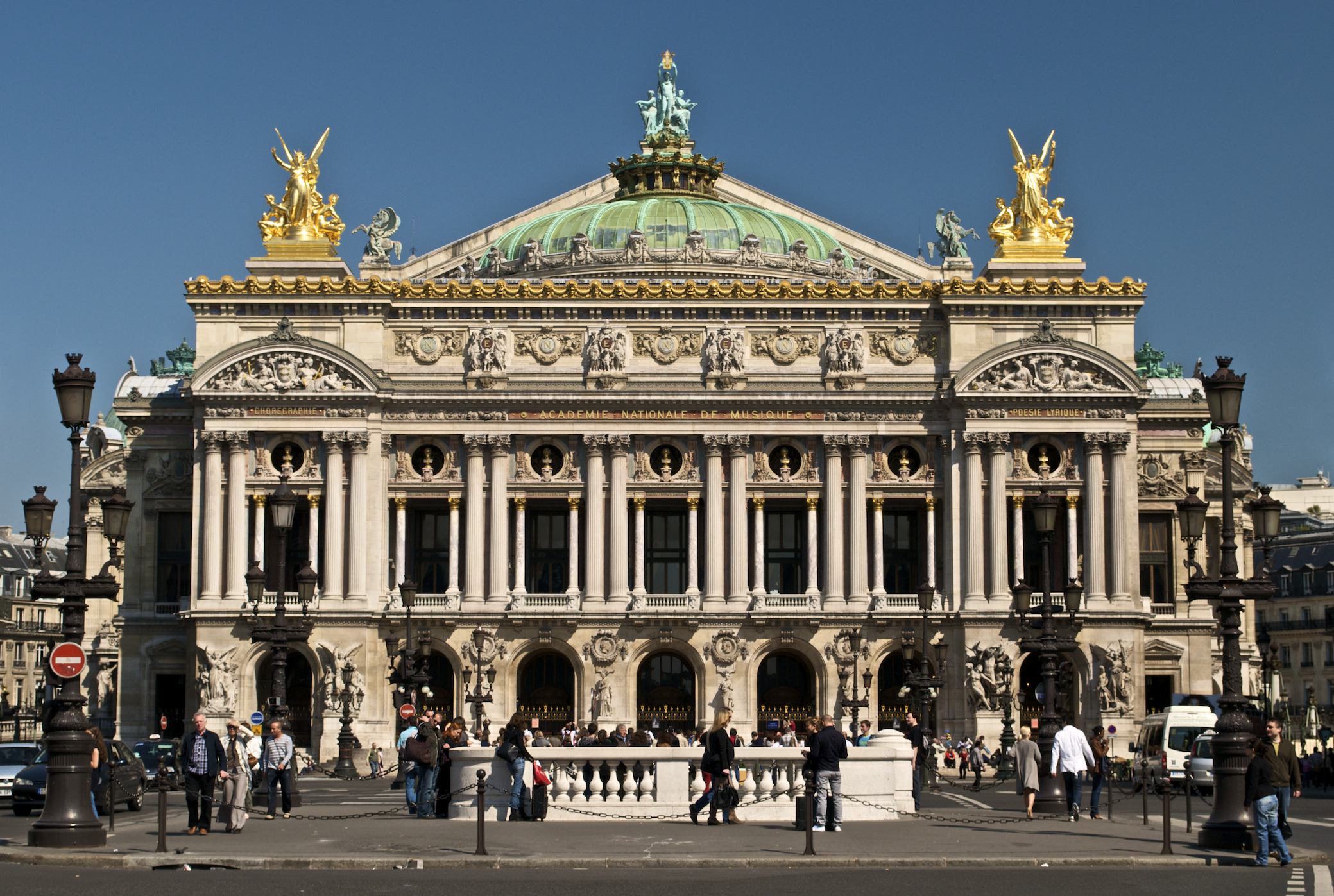
- 10 Fascinating Facts About The Phantom of the Opera — Palais Garnier lore, production longevity, and widely shared backstage stories.
Looking for a dedicated spoiler-heavy plot walkthrough on the site? We did not find a standalone Phantom “complete story” post in the current published set—so this hub’s synopsis sections are designed to cover that need for first-timers.
FAQ
Do I need to read Gaston Leroux’s novel first?
No. The musical is the version most fans meet first. The novel is darker and denser; it is a rewarding follow-up, not a homework assignment before curtain.
Is the 2004 film a good substitute for the stage show?
It can introduce the story and songs, but live staging—especially the chandelier and the sense of space—is a different thrill. Many fans enjoy both; neither fully replaces the other.
How long does Phantom usually run?
Most professional productions land around two and a half hours with one intermission. Always check your venue’s running time.
Is it scary?
Atmospheric and tense more than jump-scare horror. Sensitive viewers should know there is stalking, violence, and a tragic tone.
Where should I sit?
Clear sightlines matter more than being in the first row. Centre orchestra or front mezzanine is often praised for seeing both faces and full-stage pictures—but any seat with an unobstructed view of the chandelier’s path is a win.
Is there a sequel?
Love Never Dies continues the story in some markets. Reception among fans is mixed; you do not need it to enjoy the original musical.
Related Complete Fan Guides
Building a first-timer list? These companion hubs sit alongside Phantom:
- Les Misérables — Complete Fan Guide
- Hamilton — Complete Fan Guide
- Wicked — Complete Fan Guide
- The Lion King Musical — Complete Fan Guide
Use this page as your Phantom home base—and explore the beginner and facts articles linked above whenever you want a shorter deep-dive.
Facts about long runs, cast history, and box office change over time; where numbers are uncertain, we phrase them as commonly cited rather than inventing precise tallies. Always verify current touring and ticket details with official producers.
Curious about forex — without risking real money first?
XM offers a free demo account so you can practice trading with virtual funds before deciding whether live trading is for you.