

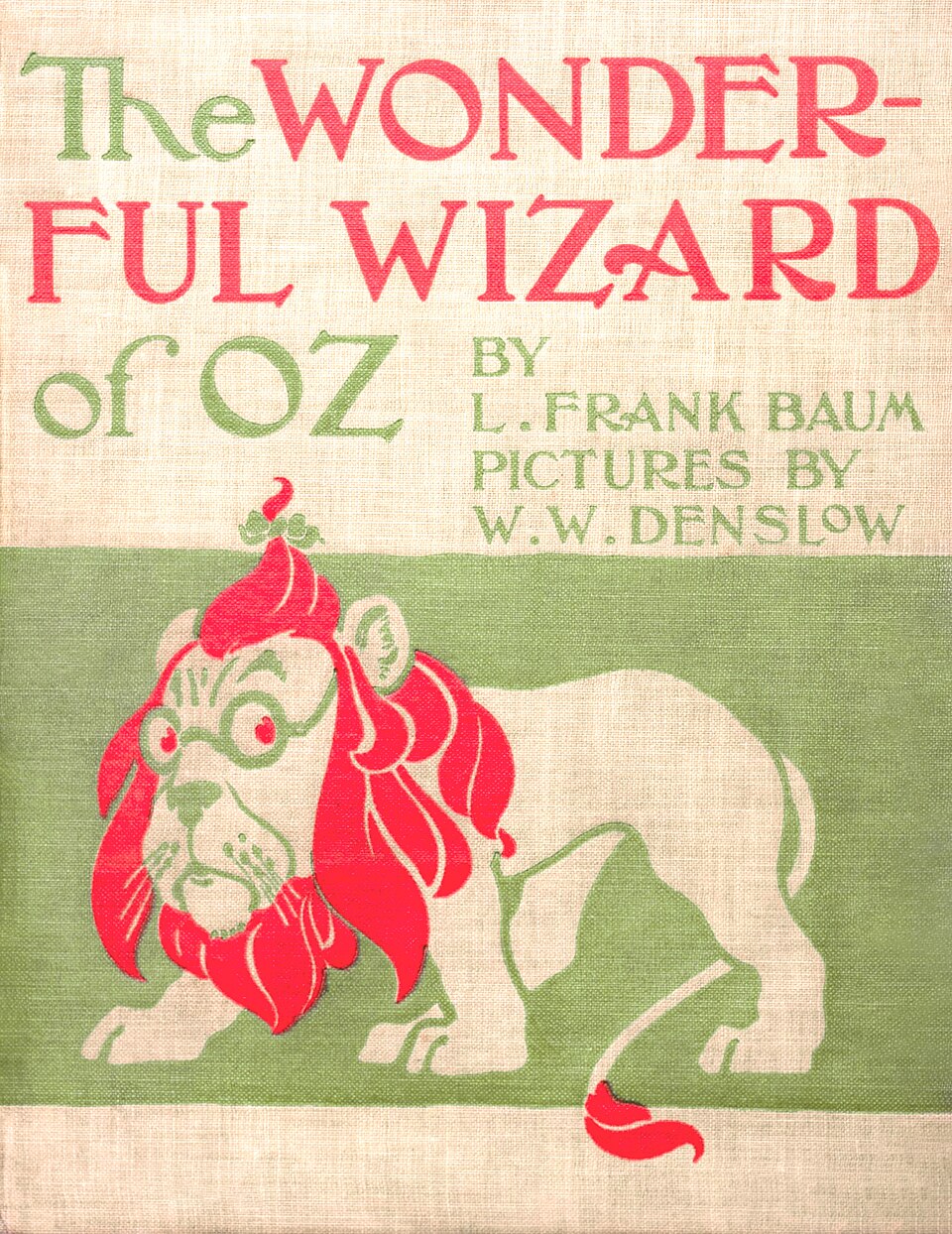
Even people who have never seen Wicked can usually hum a few bars of it. Stephen Schwartz wrote the music and lyrics, Winnie Holzman wrote the book, and the show is based on Gregory Maguire’s 1995 novel, which reimagines the world of L. Frank Baum’s The Wonderful Wizard of Oz. This is a spoiler-light companion to our Wicked — Complete Fan Guide: the key songs, what each one does in the story, and why fans keep coming back to them, without quoting lyrics or spoiling the twists.
How to use this song guide
Wicked tells the story of how Elphaba and Glinda become friends, rivals, and eventually something more complicated than either word. The score follows that arc closely, so the order of the songs matters. If you are new, read the entries in order. If you already know the show, jump to the numbers you want to revisit.
Sending money abroad?
Wise makes international transfers cheaper than most banks — real exchange rates, low fees, and a free debit card option in many countries.
Need social posts without the grind?
Holo turns one idea into reels and photo posts with AI — useful if you promote shows, reviews, or fan content and want more output with less editing time.
- Brand new to Oz? Start with A Beginner’s Guide to Wicked, then come back here.
- Want the full picture? Characters, history, and reading paths live in the Complete Fan Guide.
- Seen the film? The movie versions keep most of these titles, but the stage score has its own shape, so it is worth comparing.
No One Mourns the Wicked
The opener sets the frame. The people of Oz celebrate news of a famous death, and Glinda the Good arrives to tell the crowd what she knows. Then the show asks the question it spends the evening answering: how did this story start? Notice how the tone flips between public cheer and private doubt. It is a neat way to tell the audience that the version of history everyone repeats may not be the whole one.
Dear Old Shiz
We go back in time to Shiz University, where the students sing a fond, slightly pompous school song. It introduces the ensemble and the setting, and it is where Elphaba and Glinda first cross paths. It is short, but it establishes the show’s habit of playing comedy and character in the same number.
The Wizard and I
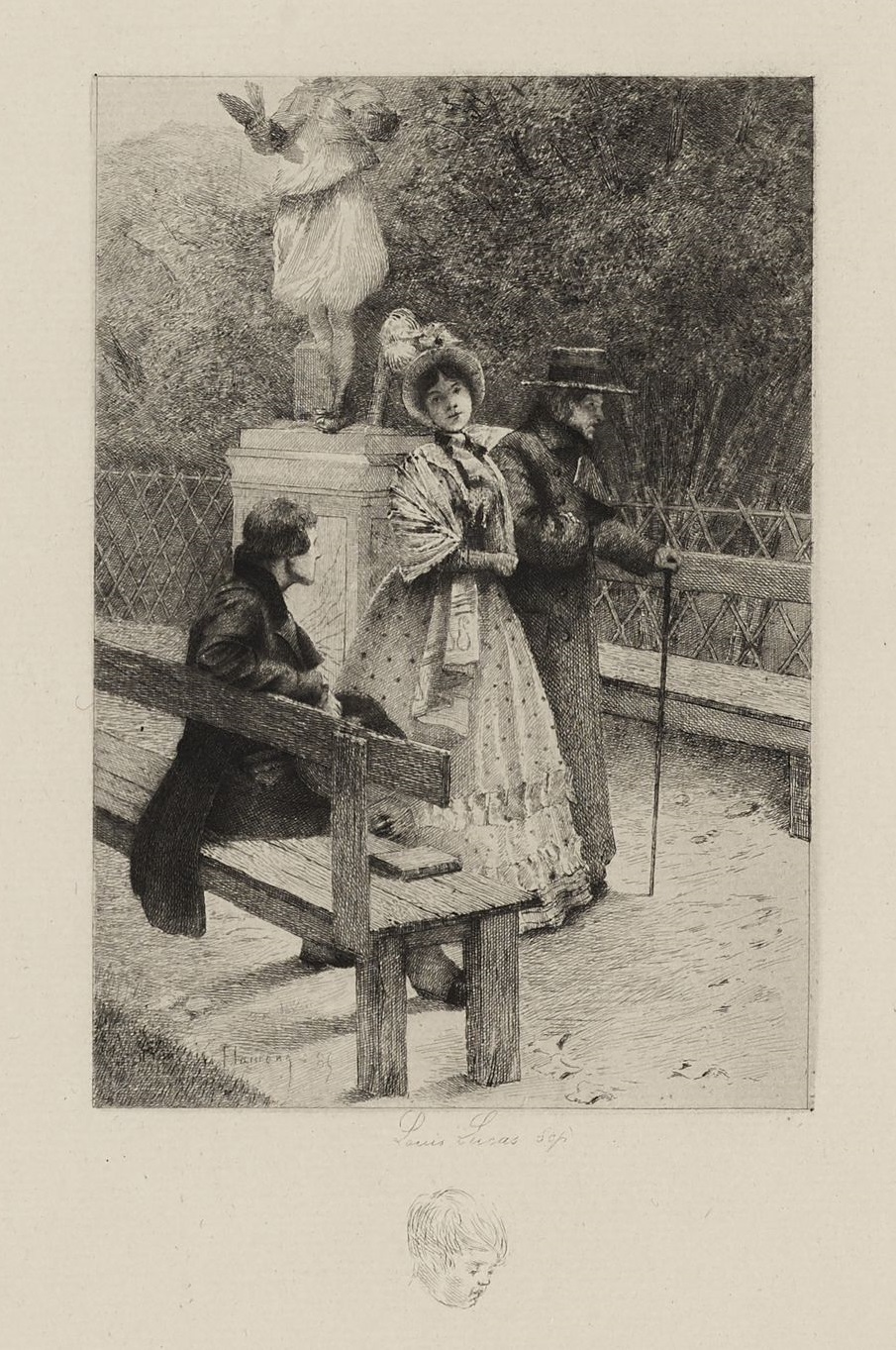
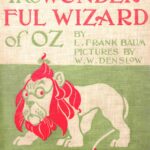
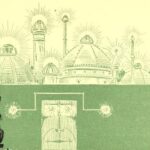
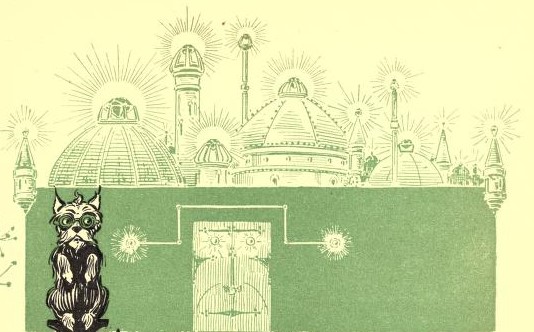
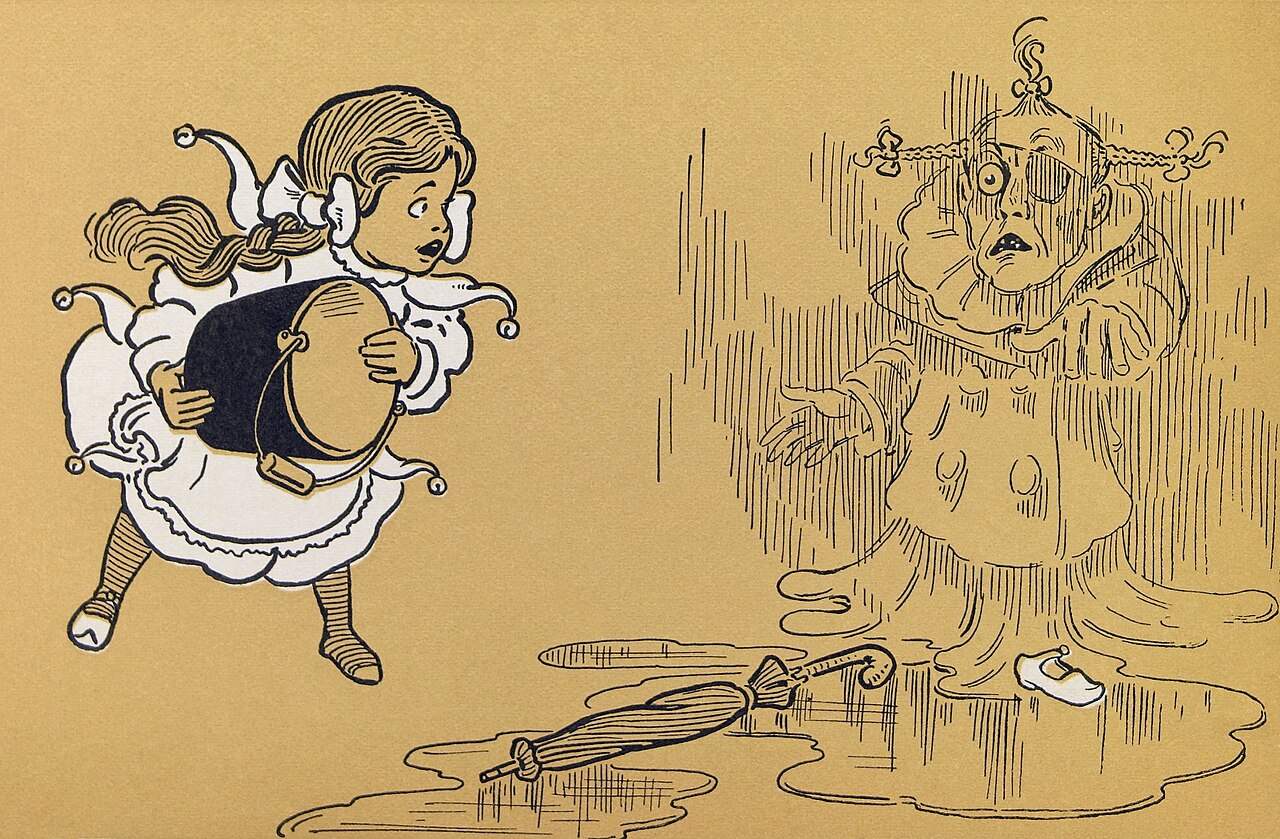
Elphaba’s “I want” song is a hopeful, soaring declaration of what she believes her unusual talents might earn her. The Emerald City, shown above in a classic illustration from Baum’s book, is the place she dreams of reaching. The number sets up her optimism, which makes the later turns in her story hit harder. It is a showpiece for any Elphaba and a good test of range.
What Is This Feeling?
Glinda and Elphaba meet as roommates, and neither one is thrilled. The song is a gleeful duet about instant dislike, set to a bright, bouncy tune. It is one of the funniest numbers in the show and a good example of how Schwartz hides a lot of character work inside a comic song. If the rest of the evening feels dark, remember that it starts here, with two people who cannot stand each other.
Something Bad
This quieter scene features Doctor Dillamond, a professor who is also a Goat, and Elphaba. It introduces the show’s political undercurrent, which gradually becomes more important than the school-days comedy. It is a smaller moment in the score, but it plants ideas that grow through the second half.
Dancing Through Life
Fiyero arrives and the ensemble sings a lively number about avoiding hard questions and enjoying yourself instead. It brings several key characters into the same space, including Boq and Nessarose. The upbeat style hides the fact that each person in the scene wants something different. It is a good example of how Wicked uses a party scene to set up later conflicts.
Popular
Glinda decides to give Elphaba a makeover, and the result is one of the best-loved comic songs in modern musical theater. It is bubbly and silly on the surface, but it also reveals how Glinda sees the world and what she values. Listen for the way the lyric turns a self-improvement lesson into a window on her personality. Kristin Chenoweth originated the role in the original Broadway cast, and her performance helped define it.
I’m Not That Girl
After the big comic numbers, this ballad slows everything down. Elphaba sings quietly about wanting something she assumes she cannot have. It is short and simple, and it is often cited as one of the most affecting moments in the first act. The melody returns later in a different form, which is one reason attentive listeners enjoy the show more on a second visit.
One Short Day
The pair visit the Emerald City, and the song is a cheerful travel montage packed with sightseeing and jokes. It has a light, almost cartoonish energy that suits the Oz setting. It also shows Elphaba and Glinda enjoying each other’s company before the story gets heavier.
A Sentimental Man
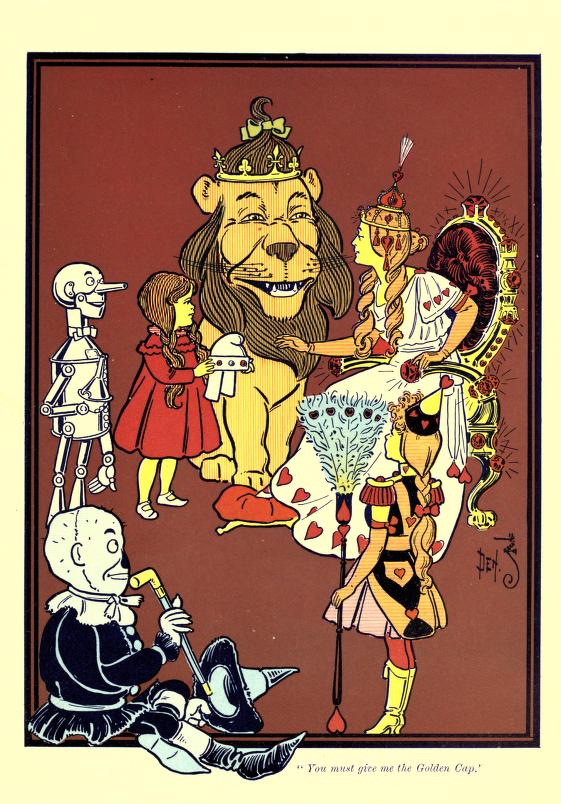
The Wizard of Oz has a short song of his own, and it is a warm, folksy reflection on how he sees himself. Like several numbers in the score, it is more revealing than it first appears. Listen to how a gentle melody can make an important idea easy to miss on a first hearing.
Defying Gravity
This is the big one. The first act ends with a powerful number that turns a character’s choice into a spectacle. Elphaba’s solo builds from a private decision into a public declaration, and Glinda’s responses give the song its emotional shape. The staging and the music are designed to lift the audience out of their seats. We will not spoil what happens on stage, but if you only listen to one track before you see the show, this is the track.
Thank Goodness
Act Two begins in a very different mood. The people of Oz react to the events that closed the first act, and the cheerful surface of the song clashes with what we know. It is a clear example of Wicked’s central idea: public celebration and private truth often disagree.
Wonderful
The Wizard returns with a persuasive number that explains how he thinks of his own role. It is charming on a first listen and unsettling on a second. Fans who pay attention to the lyrics often name it as one of Schwartz’s cleverest pieces of characterization.
As Long as You’re Mine
A romantic duet that gives the second act its warmest moment. It is intimate and slightly dreamy, and it works as a contrast to the larger choral pieces around it. Musically it shows how much range the score has, from comic patter to big pop-influenced ballads.
No Good Deed
One of the darkest numbers in the show, this is a solo that lets the lead character confront the cost of the choices she has made. It is angry, tense, and musically more dramatic than anything in the first act. It is a major test for the performer, and a favorite of fans who like Wicked at its most intense.
For Good
The closing duet is the emotional payoff. Two people who began as roommates who could not stand each other look back on what they have given each other. It is gentle, sincere, and built around a simple melody. It is also why many people say Wicked is more of a friendship story than a romance. We will keep the specifics for the theater, but bring tissues.
Honorable mentions
- March of the Witch Hunters — a driving, ominous ensemble number that raises the stakes in the second act.
- I’m Not That Girl (Reprise) — a short callback to the first-act ballad, worth listening for on your second pass.
- Finale — the show’s closing music, which ties the opening and ending together.
Where to hear them (legally)
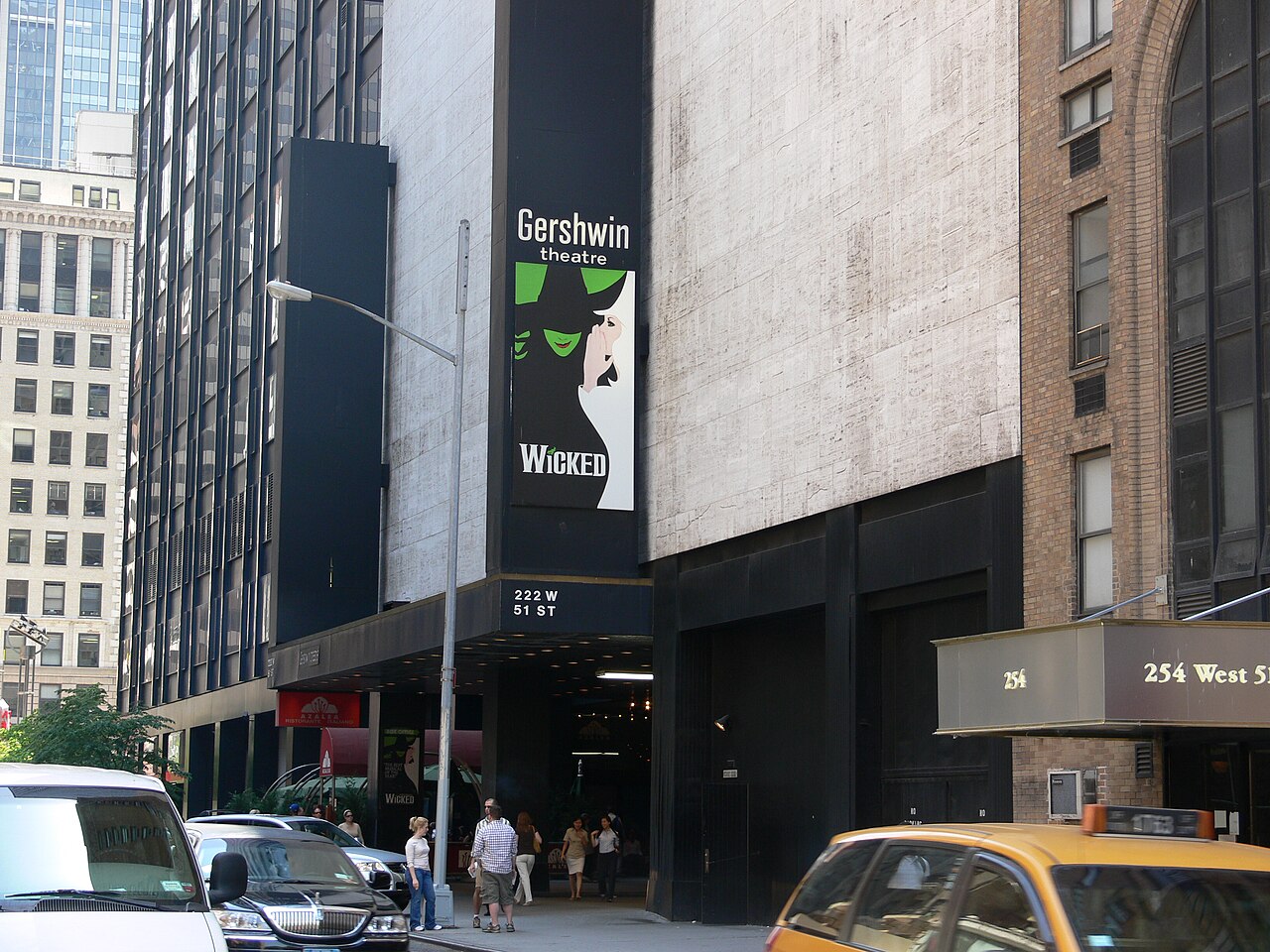
The original Broadway cast recording features Idina Menzel as Elphaba and Kristin Chenoweth as Glinda, and it won the Grammy Award for Best Musical Show Album. The show opened on Broadway at the Gershwin Theatre in October 2003 and has been running ever since. The Broadway production won three Tony Awards, including Best Actress in a Musical for Idina Menzel. A two-part film adaptation directed by Jon M. Chu has also introduced the score to a new audience. Skip unofficial lyric dumps and pirated uploads; support licensed releases and ticketed productions when you can.
Keep reading on Musicals On Line
For the full picture, including characters, history, and reading paths, head to the hub:
Song titles and roles are described for commentary and fan education. Full lyrics and recordings belong to their rights holders; seek official cast albums and licensed performances.
Curious about forex — without risking real money first?
XM offers a free demo account so you can practice trading with virtual funds before deciding whether live trading is for you.