


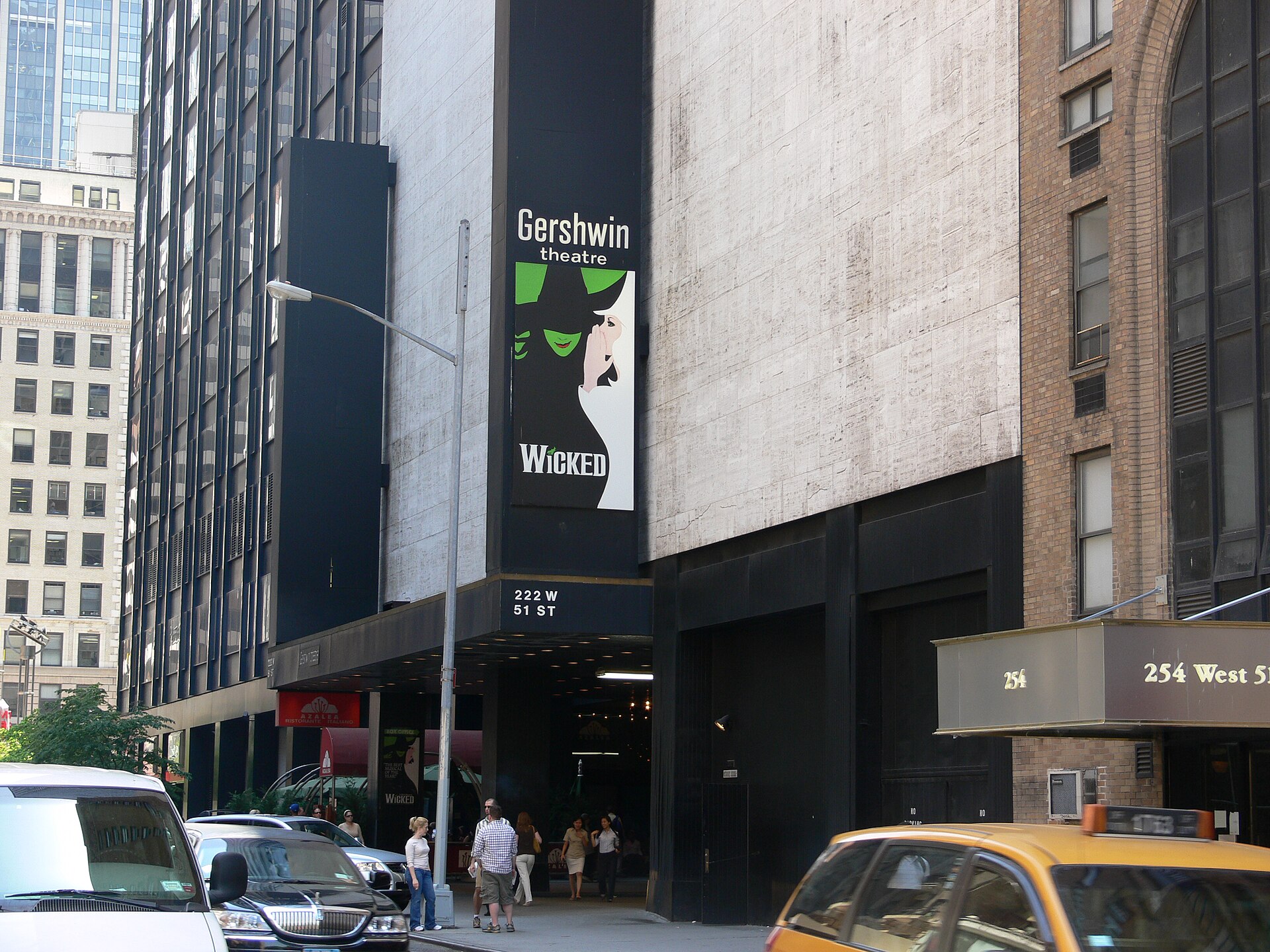
For more than two decades, Wicked lived on stage. Then, in November 2024, the first film arrived, followed by Wicked: For Good in November 2025. Suddenly millions of people met Elphaba and Glinda for the first time on a cinema screen, while longtime theater fans went in wondering what had changed.
The short answer: the films are faithful to the heart of the musical, but they’re bigger, longer and more detailed. This guide walks through the key differences we’re confident about, with light spoilers only where needed. If you’re new to the story, our Wicked complete fan guide is a good starting point, and our Wicked songs explained guide covers the score.
Sending money abroad?
Wise makes international transfers cheaper than most banks — real exchange rates, low fees, and a free debit card option in many countries.
Need social posts without the grind?
Holo turns one idea into reels and photo posts with AI — useful if you promote shows, reviews, or fan content and want more output with less editing time.
The Basics: Where Wicked Comes From
The stage musical has music and lyrics by Stephen Schwartz and a book by Winnie Holzman. It’s based on Gregory Maguire’s 1995 novel, which reimagines the Wicked Witch of the West from The Wizard of Oz as a misunderstood young woman. Wicked opened on Broadway in 2003 with Idina Menzel as Elphaba and Kristin Chenoweth as Glinda, and it has since played in many cities around the world.
The films were directed by Jon M. Chu, with Cynthia Erivo as Elphaba and Ariana Grande as Glinda. Schwartz and Holzman were both involved in adapting their work for the screen.
Difference 1: One Show Became Two Films
The biggest structural change is the split. On stage, Wicked is one evening in two acts, with an intermission after “Defying Gravity.” The filmmakers chose to adapt it as two films, splitting the story at that same point.
So the first film, released as Wicked (and often called Wicked: Part One), covers Act One and ends with “Defying Gravity.” Wicked: For Good covers Act Two. This means each film has room to slow down and expand scenes that move quickly on stage.
For stage fans, it’s a different rhythm. In the theater, Act Two follows soon after the intermission. In cinemas, audiences waited a year.
Difference 2: More Time at Shiz and in Oz
With so much more running time, the films expand the world. Scenes at Shiz University, where Elphaba and Glinda meet, get more space, more students and more detail. The Emerald City is shown on a much larger scale than any stage set could manage.
Because the stage show is built for a single set and quick scene changes, a lot of its world-building is suggested rather than shown. The films fill in the gaps with landscapes, locations and visual detail. Fans of the stage version will recognize the moments, but they’ll see them at a scale that only film can offer.
Difference 3: Expanded Backstory
The first film gives more time to Elphaba’s early life and her relationship with her family, particularly her father and her sister Nessarose. On stage, much of this is covered briefly in the opening sequence.
Characters like Doctor Dillamond, the Goat professor, also get more screen time, which strengthens the story’s theme about Animals losing their rights in Oz. On stage that thread is present but compact; the film lets it build.
Difference 4: The Songs Are Mostly the Same, but Staged Differently
The core songs from the stage show are in the films: “No One Mourns the Wicked,” “The Wizard and I,” “What Is This Feeling?,” “Popular,” “I’m Not That Girl,” “One Short Day,” “Defying Gravity,” and in the second film, “Thank Goodness,” “As Long as You’re Mine,” “No Good Deed,” “For Good” and more.
What changes is how they’re presented. Numbers like “Dancing Through Life” become large, elaborate sequences with complex choreography and sets. Some songs are extended with additional music or dance breaks. And because the actors could record or perform vocals during filming, some moments feel more intimate and conversational than they do in a big theater.
Difference 5: New Songs in Wicked: For Good
Wicked: For Good added new material written by Stephen Schwartz. The best known are two new songs: “No Place Like Home,” sung by Elphaba, and “The Girl in the Bubble,” sung by Glinda. These give the two leads extra moments of reflection in the second half of the story.
For stage fans, these are the most obvious “new” elements. They don’t replace the stage songs; they add to them.
Difference 6: Connections to The Wizard of Oz
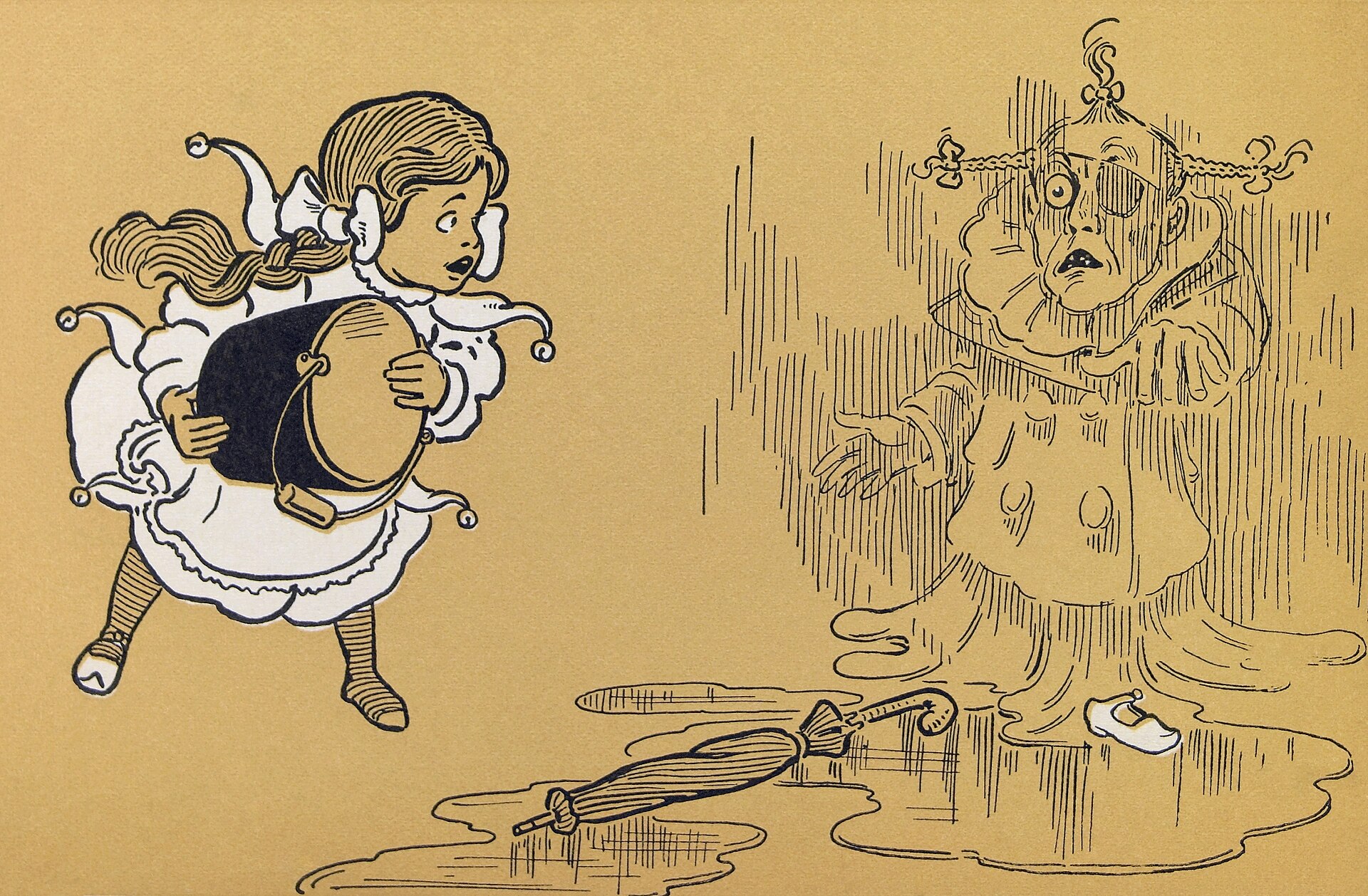
Act Two of the musical intersects more directly with the familiar story of Dorothy and the Wizard of Oz. On stage, these connections are mostly handled off stage or implied. The second film shows more of this overlap, while still keeping the focus on Elphaba and Glinda.
We’ll stay spoiler-light here, but if you know both the musical and the classic Oz story, you’ll notice the film puts some of those links more directly on screen.
Difference 7: Casting and Performance Style
On stage, Wicked casts change over time and from city to city, and every Elphaba and Glinda brings something different. The films lock in one interpretation: Erivo’s Elphaba and Grande’s Glinda, alongside Jonathan Bailey as Fiyero, Michelle Yeoh as Madame Morrible, Jeff Goldblum as the Wizard, Ethan Slater as Boq, Marissa Bode as Nessarose and Peter Dinklage as the voice of Doctor Dillamond.
Film acting is also more intimate than stage acting. Close-ups allow small facial expressions to carry meaning that a stage performer has to project to the back row. Many fans enjoy both styles for different reasons.
The first film also includes a cameo nod to the original Broadway Elphaba and Glinda, Idina Menzel and Kristin Chenoweth, which longtime fans will enjoy spotting.
What Stayed the Same
For all the changes, the films keep what matters most:
- The friendship between Elphaba and Glinda remains the center of the story.
- The big question, who gets labeled “wicked” and why, is unchanged.
- The major plot points of the stage musical are kept.
- The score is still Stephen Schwartz’s, with the songs fans love.
If you love the musical, you’ll recognize it. If you’ve only seen the films, the stage show will feel familiar, just more compact and theatrical.
Stage or Screen: Which Should You Choose?
Honestly, both. The stage show offers the live thrill of “Defying Gravity” sung by a performer right in front of you, plus the magic of theatrical effects done live. The films offer scale, detail and a chance to see the story at home. Many fans who discovered Wicked through the films have gone on to see the stage show, and the reverse is true too.
Keep exploring: see our Hamilton songs explained.
Where to Listen Legally
- The Original Broadway Cast Recording (2003) is on Spotify, Apple Music and other major services.
- The soundtracks for Wicked (2024) and Wicked: For Good (2025) are also available on major streaming platforms.
- Official Wicked channels on YouTube share clips, performances and behind-the-scenes videos.
FAQ
Is the Wicked movie the same as the musical?
It follows the same story and uses the same core songs, but the films are longer, more detailed and split the musical into two parts.
Where does the first Wicked film end?
It ends at the same point as Act One of the stage show, with “Defying Gravity.”
Are there new songs in the Wicked films?
Yes. Wicked: For Good added new songs, including “No Place Like Home” for Elphaba and “The Girl in the Bubble” for Glinda.
Should I see the musical if I’ve seen the films?
Yes. The live experience is very different, and the stage show tells the whole story in one evening.
Curious about forex — without risking real money first?
XM offers a free demo account so you can practice trading with virtual funds before deciding whether live trading is for you.