









If you’re new to musical theatre, two titles will come up again and again: Les Misérables and The Phantom of the Opera. Both are epic, almost entirely sung shows. Both have been running for decades. Both have tunes you’ve probably hummed without knowing where they came from. And both are big enough that choosing between them can feel like a real decision.
The good news is that you can’t go wrong. The better news is that they’re very different shows, so one will almost certainly suit you better as a first experience. Here’s a spoiler-light breakdown to help you pick.
Sending money abroad?
Wise makes international transfers cheaper than most banks — real exchange rates, low fees, and a free debit card option in many countries.
Need social posts without the grind?
Holo turns one idea into reels and photo posts with AI — useful if you promote shows, reviews, or fan content and want more output with less editing time.
The Quick Version
If you want a sweeping story about justice, mercy, revolution and redemption, start with Les Misérables. If you want a gothic romance with mystery, atmosphere and a haunted opera house, start with The Phantom of the Opera.
- Les Misérables: music by Claude-Michel Schönberg, original French lyrics by Alain Boublil and Jean-Marc Natel, English lyrics by Herbert Kretzmer. Based on Victor Hugo’s 1862 novel. Opened in London in 1985 and on Broadway in 1987.
- The Phantom of the Opera: music by Andrew Lloyd Webber, lyrics by Charles Hart with additional lyrics by Richard Stilgoe. Based on Gaston Leroux’s novel Le Fantôme de l’Opéra. Opened in London in 1986 and on Broadway in 1988.
Story and Tone
Les Misérables: Big Ideas, Big Heart
Les Misérables follows Jean Valjean, a man released from prison who is determined to build a new life, while the relentless police inspector Javert refuses to believe people can change. The story runs from 1815 to 1832, takes in a large cast of characters, and builds toward the Paris uprising of June 1832.
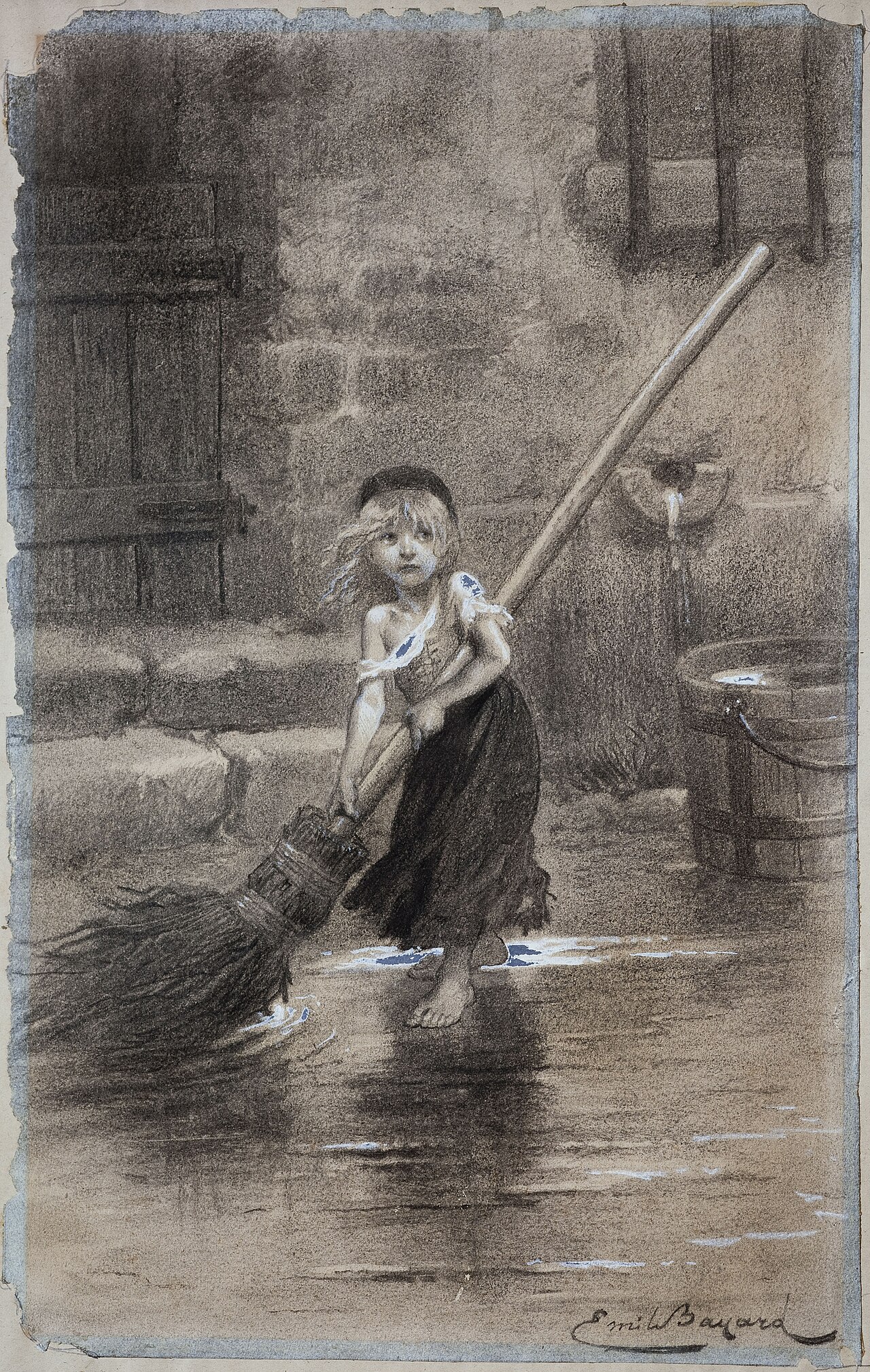
The tone is serious but ultimately hopeful. There’s real hardship here (poverty, loss, sacrifice), but the show keeps returning to compassion and the idea that kindness can change a life. Many fans describe it as an emotional workout, in the best way. Because the story covers so much ground, it rewards your full attention: several storylines run in parallel and connect in satisfying ways.
The Phantom of the Opera: Romance, Mystery and Atmosphere
The Phantom of the Opera is set in the Paris Opéra and centres on Christine Daaé, a young soprano; Raoul, her childhood sweetheart; and the masked Phantom, who haunts the cellars and passages beneath the building and becomes obsessed with her voice. It’s a far more contained story than Les Mis, with a small core of characters and a tighter focus.
The tone is gothic and moody, leaning into candlelit drama, secrets and a slow-burning sense of dread, with moments of lushness and glamour in between. Fans often debate how to read its central relationship, which is part of the fun. It’s the kind of show people argue about on the way home.
Which Tone Is Right for You?
- Prefer layered, sprawling stories? Les Misérables.
- Prefer a focused, character-driven romance with a spooky edge? The Phantom of the Opera.
- Want to leave feeling uplifted and moved? Les Misérables tends to land here.
- Want to leave feeling swept away and a little haunted? The Phantom of the Opera is your pick.
The Music
Both shows are driven almost entirely by song, so the score is the story. Les Mis is fully sung-through; Phantom is mostly sung, with only a handful of spoken lines. If you enjoy music-driven storytelling, you’re in for a treat.
Les Misérables
Schönberg’s score is built on recurring musical themes that return in new forms as characters grow and circumstances change. It moves between intimate solos, rousing anthems and quiet, reflective moments, with a pop-influenced sweep that feels accessible even if you’ve never heard a cast recording. Its ensemble numbers are a big part of its identity: when the full company sings together, it can feel enormous. Our guide to Les Misérables songs explained walks through the key numbers.
The Phantom of the Opera
Lloyd Webber’s score leans romantic and dramatic, with a rich, almost operatic flavour in places and a pop-rock edge in others. It plays with its setting by including pastiche operas performed within the show, which is a clever touch. Its melodies are famously memorable; the title song is recognisable to people who have never seen the show. For a song-by-song tour, see The Phantom of the Opera songs explained.
The Musical Verdict
A simple way to think about it: Les Mis is stronger on ensemble power and emotional build, while Phantom is stronger on lush romantic atmosphere. Which sounds better to you is a matter of taste, and you can sample both easily before you buy a ticket (see the listening section below).
Spectacle and Staging
Les Misérables
Productions use large-scale staging to evoke the streets of Paris, the barricade and the passing of years. The spectacle serves the story rather than dominating it. You can generally expect strong ensemble staging and dramatic lighting.
The Phantom of the Opera
Phantom is famous for its visual glamour: elaborate period costumes, atmospheric lighting and a strong sense of theatrical magic. Part of the appeal is the feeling that you’re stepping into a grand nineteenth-century opera house yourself.

A Word on Productions
In London’s West End, Phantom has played at His Majesty’s Theatre since 1986, and Les Mis moved to the Queen’s Theatre (renamed the Sondheim Theatre in 2019) in 2004. On Broadway, Phantom closed in April 2023 after 35 years as the longest-running show in Broadway history. Staging also differs between touring, regional and long-running productions, and creative teams update shows over time, so check the specifics of whichever production you’re considering.
Accessibility: How Easy Is Each One to Jump Into?
Plot clarity. Phantom is generally easier to follow on a first viewing because its story is more focused. Les Mis has a larger cast and a longer timeline, so first-timers often appreciate reading a short synopsis beforehand.
Sung-through format. If you’ve never seen a show that’s almost entirely sung, it can take a few minutes to settle in. Listening to a few songs ahead of time makes the transition smoother.
Tone and content. Les Mis deals with heavy themes, including poverty, death and violence in the context of revolution. Phantom has darker, suspenseful moments and intense emotional material. Neither is a light, breezy night out, so if you’re bringing younger family members, check the age guidance for your specific production.
Familiarity. You may already know more than you think. Songs from both shows turn up constantly in covers, talent shows and concerts, and many newcomers are surprised by how many tunes they recognise.
Who Each Show Suits
Choose Les Misérables If You…
- Love stories with a strong moral and emotional core
- Enjoy big group numbers and anthemic moments
- Like historical settings and larger-than-life themes
- Are happy to follow a multi-character story
Choose The Phantom of the Opera If You…
- Love romance, mystery and gothic atmosphere
- Want a tighter, more focused plot
- Are drawn to lush, melodic scores
- Enjoy glamorous costumes and theatrical flair
A Simple Recommendation Framework
Ask yourself these four questions and tally your answers.
- What mood do you want? Hopeful and cathartic points to Les Mis. Dark and romantic points to Phantom.
- How much story do you want to juggle? A big canvas points to Les Mis. A tighter focus points to Phantom.
- What gives you chills? A full company singing in unison points to Les Mis. A sweeping, haunting melody points to Phantom.
- What’s your ideal visual style? Gritty and grounded points to Les Mis. Opulent and atmospheric points to Phantom.
Whichever show gets more of your answers is your starting point. Still split? Think about the last film or book you loved: a sweeping historical drama points to Les Mis, a moody romance or thriller to Phantom. And you don’t have to choose forever. Most fans end up seeing both.
Preparing for Your First Visit
- Listen first, lightly. Play a handful of songs from an official cast recording so the style feels familiar.
- Read a short synopsis. Especially helpful for Les Mis. Keep it spoiler-light if you want to preserve the surprises.
- Check the production details. Running times, age guidance and seating vary by venue, so confirm them on the official ticketing page.
- Arrive early. Settling in without rushing helps you ease into the show.
To go deeper before or after you see them, our Les Misérables Complete Fan Guide and Phantom of the Opera Complete Fan Guide cover each show in more detail.
Where to Listen Legally
Official cast recordings of both shows, including the original London cast albums, are available on major streaming platforms such as Spotify, Apple Music, YouTube Music and Amazon Music. Availability varies by region, and there are multiple recordings from different productions, so look for releases labelled as official cast recordings. Streaming through licensed services supports the artists and creators behind the shows. If you prefer to own music, look for licensed digital downloads or physical albums from reputable retailers.
FAQ
Do I need to know the story before I go?
No. Both shows are designed to be enjoyed by newcomers. A short synopsis can help, particularly for Les Misérables, but it isn’t required.
Which one is easier to follow?
The Phantom of the Opera is generally more straightforward because its story is more focused. Les Misérables has more characters and a longer timeline, but it’s very rewarding once you settle in.
Are they suitable for kids?
Both contain mature themes and intense moments. Age guidance varies by production, so check the official information for the specific show and venue.
Is it worth seeing both?
Absolutely. They’re quite different in tone and style, so they complement each other well.
What should I see after these two?
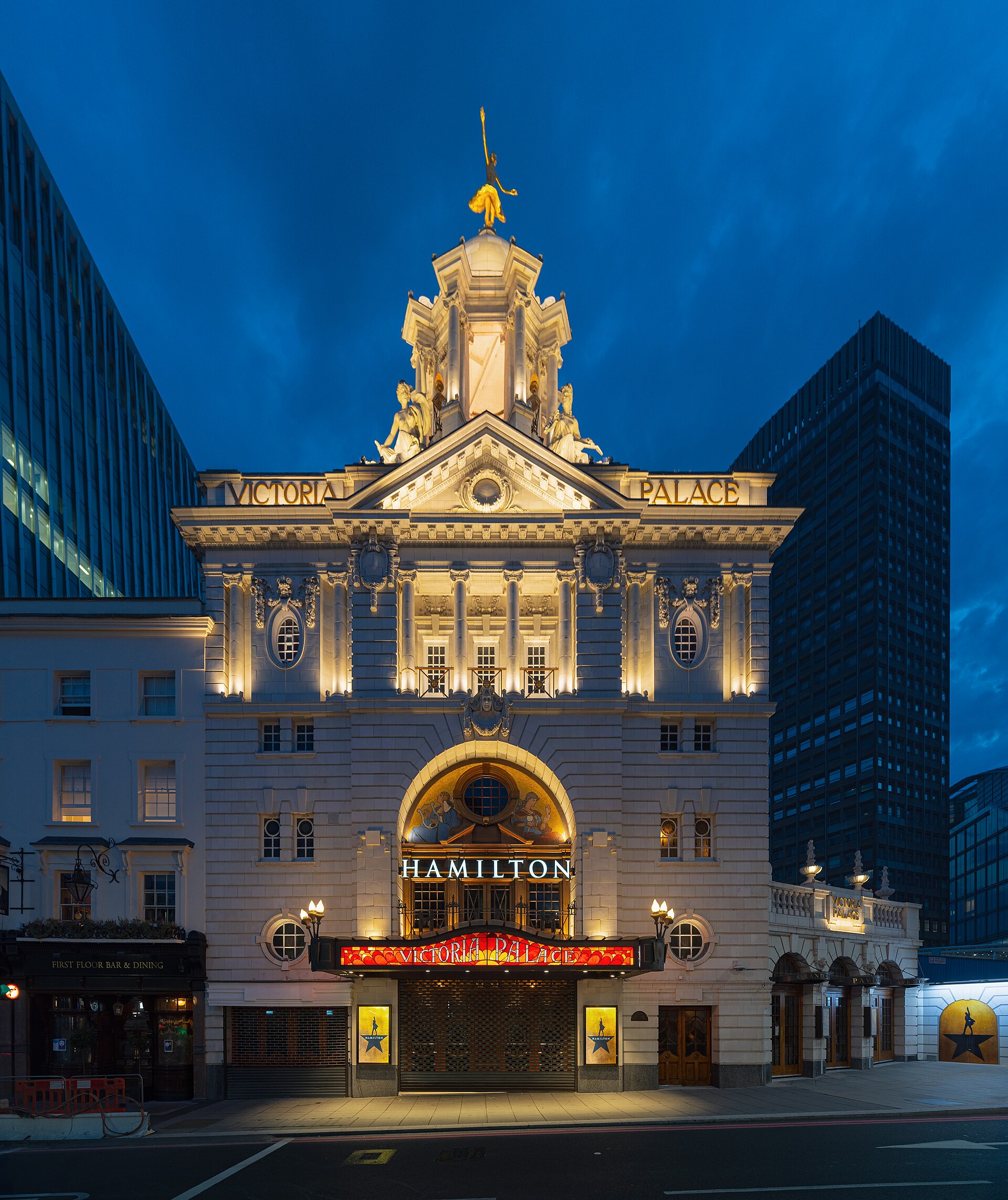
Our Hamilton Complete Fan Guide and Wicked Complete Fan Guide are good next stops, offering very different flavours of modern musical theatre.
Final Thoughts
There’s no wrong choice here. Les Misérables offers a sweeping, emotionally powerful story about change and compassion. The Phantom of the Opera delivers romance, mystery and unforgettable atmosphere. Pick the one that matches your mood, and you’ll likely be planning your second visit before the first curtain call.
So which will it be: the barricade or the opera house?
Curious about forex — without risking real money first?
XM offers a free demo account so you can practice trading with virtual funds before deciding whether live trading is for you.